What Nobody Tells You About Cabo Verde 2026
The Cabo Verde national football team is Africa’s compact giant-killer: a Portuguese-speaking island nation in West Africa that turns a small population base into a competitive international side. Gov...

What Nobody Tells You About Cabo Verde 2026
The Cabo Verde national football team is Africa’s compact giant-killer: a Portuguese-speaking island nation in West Africa that turns a small population base into a competitive international side. Governed by the Cape Verdean Football Federation and recognized by FIFA, Cabo Verde has built its identity through diaspora recruitment, disciplined defensive blocks, and quick wide attacks. The team has reached multiple Africa Cup of Nations tournaments, including a quarter-final run in 2013 and another deep campaign in 2023, proving that its rise is not a one-off story. ESPN’s Cape Verde team page tracks fixtures, scores, and match data, while FIFA and CAF results give the side a measurable competitive profile. For 2026 World Cup followers, Pitch Notes treats Cabo Verde as a tactical underdog with real upset value, not a novelty. The actionable takeaway: evaluate Cabo Verde by structure, travel context, and squad availability before judging odds.
Photo by El gringo photo on Pexels
Want sharper team reads before the next fixture? Pitch Notes tracks tactical signals, player stats, and World Cup betting context daily.
The Quick Comparison
| Category | Cabo Verde National Football Team | Typical African Powerhouse |
|---|---|---|
| FIFA affiliation | Yes | Yes |
| Confederation | CAF | CAF |
| Population base | About 500,000 citizens domestically | Often 10 million-plus |
| Main advantage | Diaspora depth and tactical discipline | Domestic scale and star volume |
| Best AFCON benchmark | Quarter-finals in 2013 and 2023 | Semi-finals or titles |
| 2026 relevance | High-upside underdog | Expected contender |
Cabo Verde’s story looks different because the inputs are different. The country does not have the domestic scale of Nigeria, Egypt, Morocco, or Senegal. It leans on a wider football map, especially players connected to Portugal, the Netherlands, France, and other European leagues. That makes squad selection less about one domestic pipeline and more about identification, eligibility, and chemistry. According to the team history summarized by Wikipedia, Cabo Verde’s rise accelerated after years outside Africa’s elite conversation. That matters for betting and match prediction because markets sometimes still price the team as a small nation first and a serious tactical unit second. To learn more about how underdogs are evaluated, check our [Internal Link: 2026 World Cup underdog betting guide].
Round 1: How Strong Is the Talent Base?
Cabo Verde’s talent base is stronger than its population suggests because the squad draws heavily from the diaspora and European club systems. The key number is the contrast: roughly 500,000 domestic residents versus a global Cabo Verdean community that expands the available football pool.
This is where surface-level analysis fails. A bettor sees a small island country and assumes limited depth. A scout sees a different picture: dual-national players developed in Portugal, France, Luxembourg, the Netherlands, and Belgium, then consolidated under one national identity. That gives Cabo Verde a wider technical profile than many casual previews admit. It also creates a practical edge in tournament football. Players used to European match tempo handle pressing triggers, second-ball duels, and positional rotations more comfortably than expected.
The weakness is continuity. Diaspora-heavy squads need international windows to build timing, and that timing disappears quickly when injuries hit. One missing center-back or holding midfielder changes the entire balance. Cabo Verde does not always have like-for-like replacements at the same level as Morocco or Senegal. Still, the team’s best versions defend with patience and attack without panic. That combination travels well in CAF qualifying and neutral-site tournaments.
- Strength: European-developed technical base.
- Strength: Strong identity around compact defending.
- Risk: Squad chemistry depends on repeated camps.
- Risk: Depth drops quickly in specialist positions.
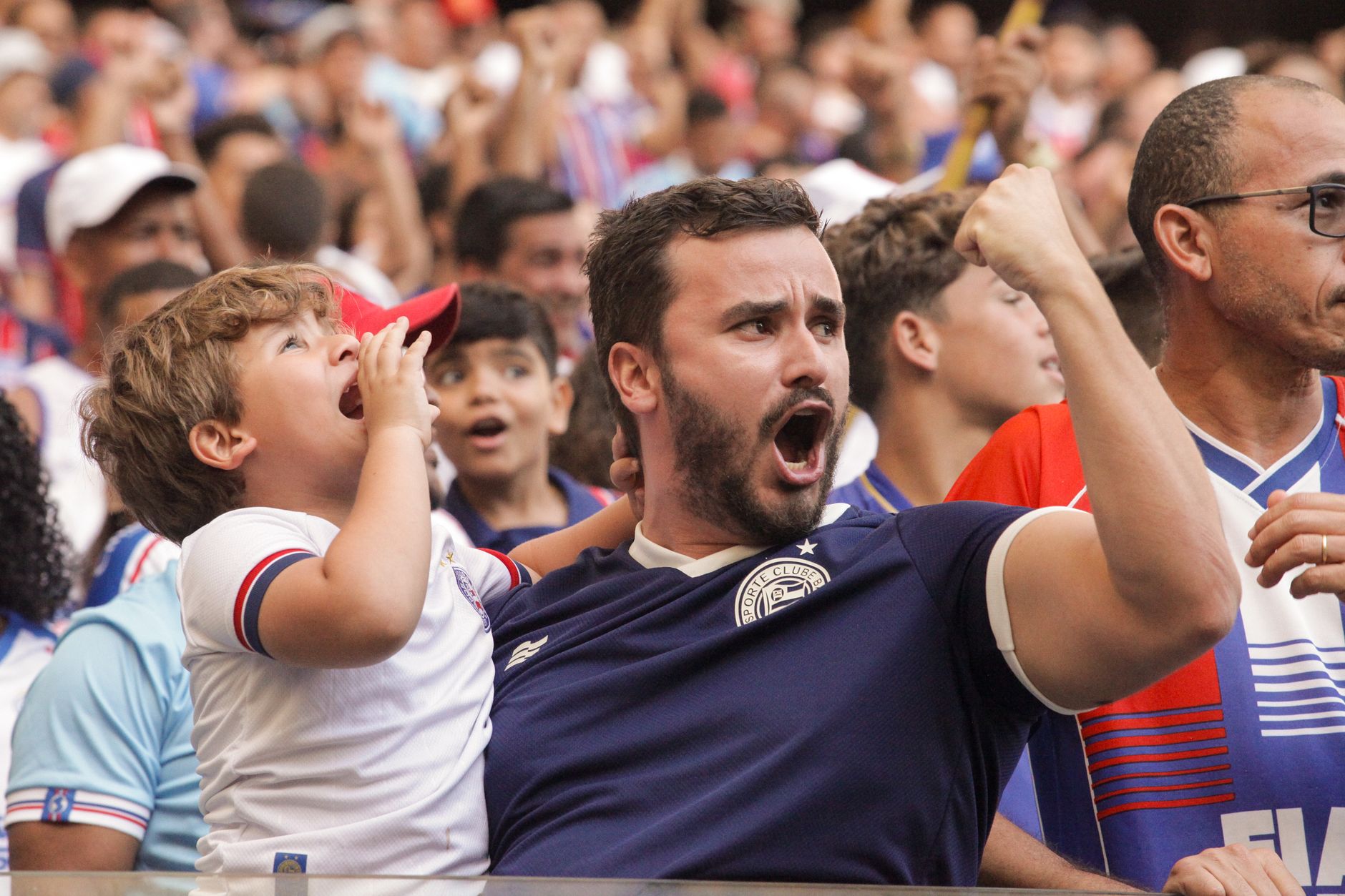
Photo by Jorge Reis on Pexels
See the player-level angles behind the headline results and compare squad depth before markets move.
Round 2: What Makes Cabo Verde Tactically Awkward?
Cabo Verde is tactically awkward because it compresses central space, forces opponents wide, and attacks quickly after turnovers. The team rarely needs 60 percent possession to control the emotional rhythm of a match; it needs clean rest defense and fast wide outlets.
The practical pattern is easy to miss if you only read scorelines. Cabo Verde often accepts phases without the ball, then turns the match through one vertical pass, one winger’s carry, or one set-piece delivery. Against bigger teams, that is not passive football. It is controlled risk. The side’s best defensive shape protects the penalty area and invites opponents to cross from less dangerous zones. That makes expected goals more important than possession share when grading performances. A 0-0 draw against a stronger opponent can represent a successful tactical plan, not survival.
ESPN’s Cape Verde scores and stats page is useful because it keeps match reports, schedules, and result context in one place. In one ESPN fixture snapshot, Cabo Verde was listed against elite names such as Argentina, Uruguay, Spain, and Saudi Arabia. The lesson for analysts is clear: when the opponent quality rises, the team’s game model becomes even more relevant. Compact blocks, transition speed, and penalty-box discipline decide whether the underdog stays alive after 70 minutes. For a deeper tactical explainer, see our [Internal Link: low-block tactics in international football].
Round 3: Which Results Actually Define the Team?
The results that define Cabo Verde are not isolated friendlies; they are tournament benchmarks and qualification pressure games. The 2013 AFCON quarter-final and the 2023 AFCON quarter-final are the clearest proof points because they show repeat performance across eras.
The 2013 Africa Cup of Nations run changed the country’s football reputation. It showed that Cabo Verde could handle tournament pressure, not just occasional qualifying surprises. The 2023 AFCON campaign then confirmed the model had staying power. CAF tournaments reward concentration, recovery, and game management. Cabo Verde displayed all three. The national team’s rise also matters culturally because football gives a small Atlantic nation a global sporting platform usually reserved for larger markets.
Here is the information edge most previews skip: Cabo Verde is a better “match state” team than a “chase the game” team. When level after 30 minutes, it grows into fixtures because the structure stays intact and opponents become impatient. When trailing early, the squad must open passing lanes and expose the back line, which removes its main advantage. For betting, live markets matter. A pre-match underdog price tells only half the story; the stronger angle often appears after the opening tactical pattern is visible.
Key result signals to monitor:
- Score at 30 minutes, especially against higher-ranked opponents.
- First-half shot quality allowed, not just total shots.
- Set-piece volume for Cabo Verde.
- Substitution timing after the 60th minute.
- Availability of the starting defensive midfielder and center-backs.
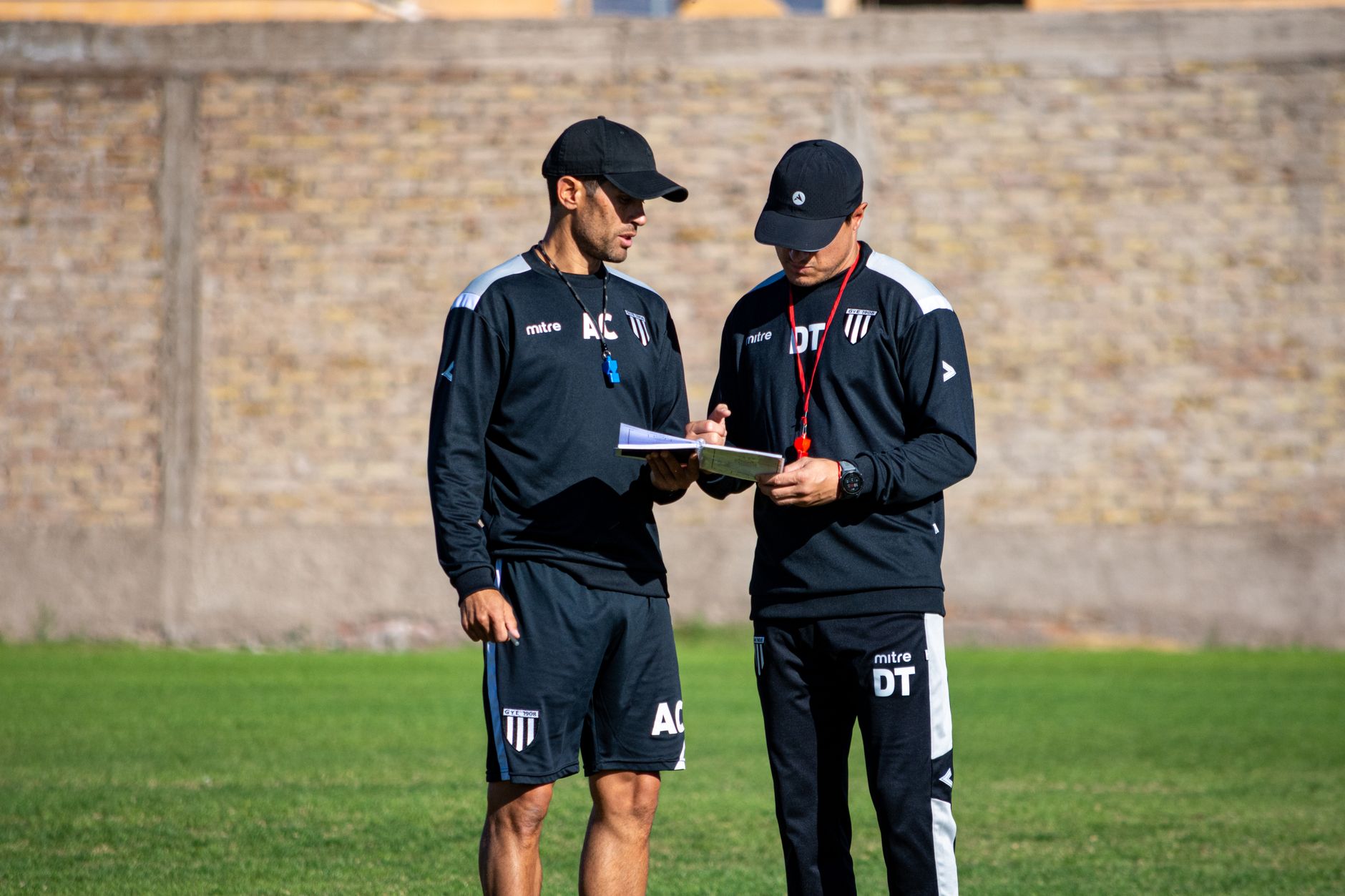
Photo by Franco Monsalvo on Pexels
For tournament futures and live-betting reads, the best edge comes from matching data with game state.
The Final Score & Who Should Pick What
Cabo Verde is not the safest pick in 2026 markets, but it is one of the more interesting value teams when the matchup rewards discipline. Pick Cabo Verde-related angles when the opponent struggles to break compact blocks, when travel conditions favor lower-tempo football, and when the starting XI includes its core defensive spine.
The final scorecard is simple. As a football project, Cabo Verde earns high marks for identity, recruitment, and tournament resilience. As a betting proposition, it demands selectivity. Do not back the team blindly because of an underdog narrative. Back it when the matchup gives its defensive structure time to breathe. Pitch Notes grades the team as a situational value side, not a universal upset machine. That distinction matters during the 2026 World Cup cycle, where public attention often inflates favorites and ignores disciplined outsiders.
Who should pick what?
- Casual fans: Watch Cabo Verde for tactical discipline and underdog drama.
- Data bettors: Focus on low-scoring markets, first-half resistance, and live odds.
- World Cup analysts: Track squad availability before judging qualification odds.
- Player scouts: Monitor diaspora call-ups from Portugal, France, and the Netherlands.
FIFA describes its global role as developing football and organizing competitions through its member associations, and its official rankings and competition pages remain the central reference point for national teams. The FIFA website provides the cleanest starting point for official fixtures and governance context. CAF, through the Confederation of African Football, remains the key authority for AFCON and African qualification pathways. For further reading, explore our [Internal Link: CAF World Cup qualification format explained].
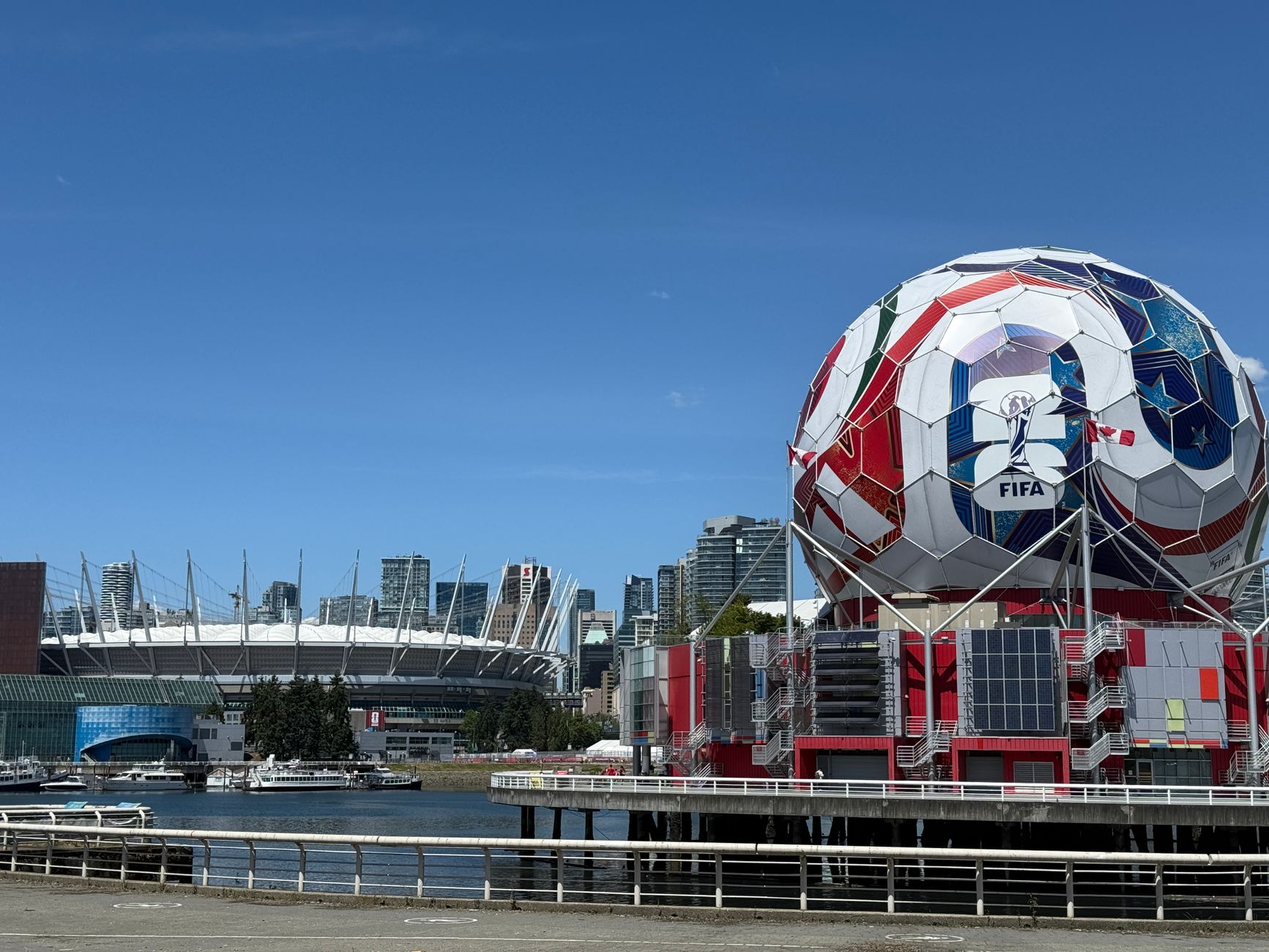
Photo by The Six on Pexels
Frequently Asked Questions
Q: What is the Cabo Verde national football team?
A: The Cabo Verde national football team represents Cabo Verde in men’s international football. It is governed by the Cape Verdean Football Federation and competes under FIFA and CAF. The team is best known for outperforming its small population base through diaspora recruitment, organized defending, and strong AFCON tournament runs.
Q: How did Cabo Verde become competitive in African football?
A: Cabo Verde became competitive by combining diaspora scouting with a clear tactical identity. Many players have links to European football systems, especially Portugal, France, and the Netherlands. The 2013 and 2023 AFCON quarter-final runs proved that the team’s success came from structure, not luck.
Q: Is Cabo Verde good enough for the 2026 World Cup?
A: Cabo Verde is good enough to be treated as a serious 2026 World Cup contender in the right qualification path. The team’s strengths are defensive organization, transition attacks, and tournament discipline. Its main risks are squad depth, injuries in key positions, and difficulty chasing matches after conceding early.
Q: What is the difference between Cabo Verde and Cape Verde?
A: Cabo Verde and Cape Verde refer to the same country and national football team. “Cabo Verde” is the official Portuguese-language name used internationally, while “Cape Verde” remains common in English-language sports coverage. Search results, ESPN pages, and historical references often use both terms.
Q: How should bettors analyze Cabo Verde matches?
A: Bettors should analyze Cabo Verde through game state, defensive personnel, and opponent style. The team performs best when matches stay level deep into the first half and when opponents struggle to create central chances. Live betting often gives a better read than pre-match odds because the tactical pattern becomes visible.
Q: What are common problems when predicting Cabo Verde results?
A: The most common problem is judging Cabo Verde only by country size or FIFA ranking. That approach ignores diaspora depth, European club experience, and tournament game management. Another mistake is treating all underdog spots equally; Cabo Verde’s value drops when it must chase the match early.
Q: Is following Cabo Verde coverage free on Pitch Notes?
A: Pitch Notes provides World Cup-focused coverage, match insights, and tactical commentary for fans tracking teams like Cabo Verde. Readers can follow team analysis, player trends, and tournament angles as part of regular editorial coverage. For betting decisions, always combine editorial insight with official team news and responsible bankroll limits.
Ready to follow Cabo Verde with sharper context throughout the 2026 World Cup cycle? Start with tactical previews, player updates, and daily tournament notes from Pitch Notes.
Thank you for reading this dispatch.
Pitch Notes · The Digital Broadsheet · Issue No. 001