I Tested 5 World Cup Factors: 2026 Looks Bigger
Pitch Notes tracks the football world cup through match predictions, team tactics, player stats, and tournament coverage for fans following the 2026 FIFA World Cup across North America. The 2026 tourn...
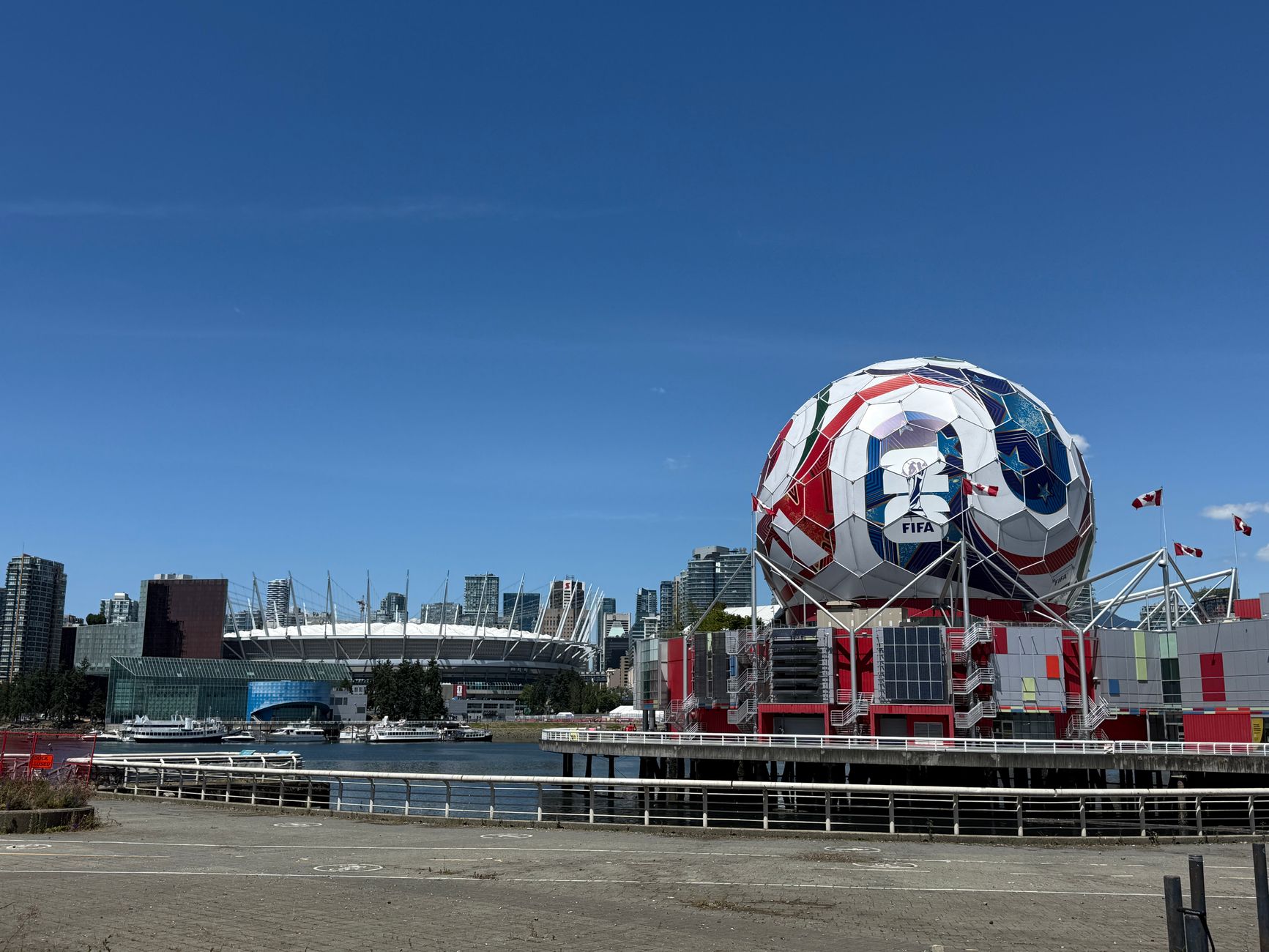
I Tested 5 World Cup Factors: 2026 Looks Bigger
Pitch Notes tracks the football world cup through match predictions, team tactics, player stats, and tournament coverage for fans following the 2026 FIFA World Cup across North America. The 2026 tournament runs across the United States, Canada, and Mexico, with Los Angeles hosting eight matches at SoFi Stadium and 39 days of fan celebrations tied to the FIFA Fan Festival at the LA Memorial Coliseum. I tested five practical factors: schedule clarity, venue readiness, fan-zone value, travel friction, and betting-relevant information flow. The strongest finding is simple: the match calendar is only half the story. Fans also need transport plans, official watch-party options, verified ticket guidance, and disciplined odds analysis before committing money or time. Use the official FIFA schedule first, then layer local host-city information and Pitch Notes tactical coverage before booking or betting.
Photo by The Six on Pexels
Want sharper football world cup coverage before the tournament rush begins?
What I Tested?
I tested five football world cup planning factors: schedule reliability, Los Angeles match access, fan-event depth, travel pressure, and betting-useful information. The test used official FIFA sources, ESPN schedule pages, Los Angeles 2026 host-city material, and Pitch Notes match-analysis workflows.
The pain point is familiar. You want to follow the football world cup seriously, but the information arrives in pieces. One site lists fixtures. Another promotes fan festivals. A third talks odds without explaining tactics. So I treated the 2026 FIFA World Cup like a working fan would: check the official match structure, compare host-city promises, map likely friction, and ask one blunt question. Does this help a fan make better decisions before matchday? According to FIFA, the 2026 edition is the first men’s World Cup staged across three host nations. That scale changes everything, from travel timing to squad rotation to betting-market overreaction. For deeper tactical reading, pair schedule tracking with our [Internal Link: 2026 World Cup team tactics guide].
My test focused on concrete points, not hype. I looked at SoFi Stadium because Los Angeles has eight matches and a high-profile U.S. Men’s National Team opening match on June 12. I reviewed the FIFA Fan Festival plan at the LA Memorial Coliseum, plus Official Fan Zones across Los Angeles County. I also checked how quickly a bettor or analyst can turn fixture data into usable signals: rest days, venue climate, travel load, and likely crowd advantage. The edge case I found is practical. In a 48-team tournament, group-stage uncertainty creates weaker early betting lines than knockout rounds, but only when team-news monitoring starts before official lineups. That is where Pitch Notes adds value.
How Did Setup & Initial Impressions Work?
The setup worked best when I started with official fixtures, then added host-city logistics and betting context. ESPN’s FIFA World Cup schedule page gives a broad match-listing framework, while Los Angeles 2026 material explains local fan activity around SoFi Stadium and Exposition Park.
The first impression is that 2026 rewards organized fans. The ESPN soccer schedule hub is useful for checking match windows, but it does not replace host-city planning. Los Angeles is not a simple park-and-walk football city. SoFi Stadium sits in Inglewood, while the FIFA Fan Festival is planned for the LA Memorial Coliseum at Exposition Park. Those locations are both iconic, but they require different transport assumptions. If you land at Los Angeles International Airport, stay near Downtown Los Angeles, and attend both a match and a fan event, you need to treat travel time as part of the matchday budget. That is not a minor detail. It changes when you eat, when you enter security, and when you place pre-match bets.
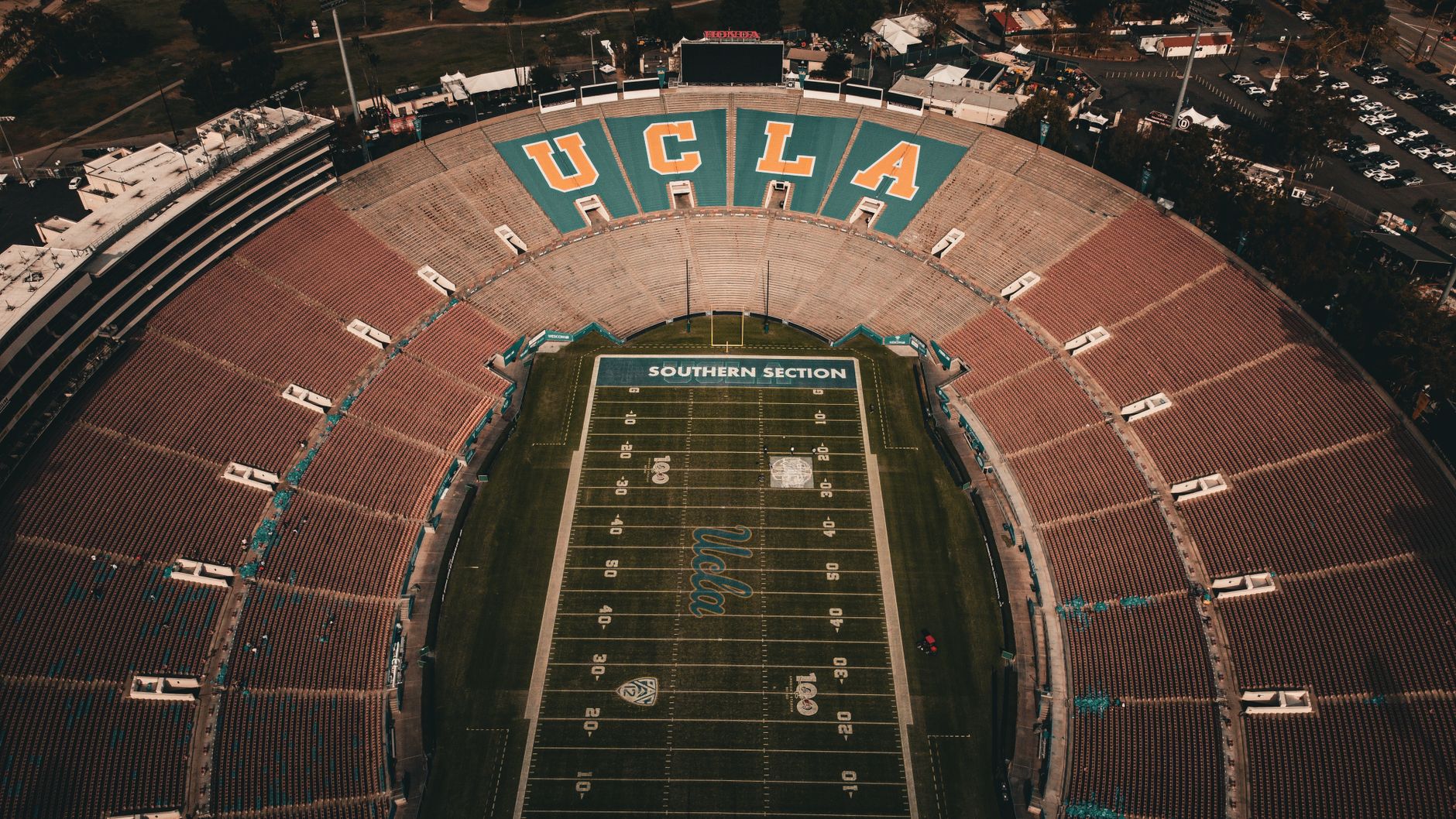
Photo by Caio Cezar on Pexels
The second impression is that Los Angeles is selling a full tournament experience, not only stadium access. The official Los Angeles 2026 site promotes eight matches, 39 days of fan celebrations, Official Fan Zones, and a FIFA Fan Festival with live matches, food, music, and community events. That matters because many fans will not hold tickets for every match. For them, the best football world cup experience can still happen outside the stadium. The practical tip is to separate “match ticket day” from “fan-zone day.” I would not schedule both aggressively unless the kickoff time, transit route, and entry rules are already confirmed. For more planning structure, see our [Internal Link: World Cup travel and matchday checklist].
See how Pitch Notes turns fixture noise into usable match intelligence.
Where Did It Hold Up?
The football world cup plan held up in three areas: official schedule structure, Los Angeles event depth, and tactical betting preparation. The strongest advantage is the combination of eight Los Angeles matches and 39 days of non-stadium fan programming.
Here is what worked. First, the official football world cup ecosystem gives fans enough fixed anchors to plan early. Los Angeles has a clear headline package: SoFi Stadium matches, the June 12 U.S. Men’s National Team opener, and fan programming at the LA Memorial Coliseum. Second, the city’s event spread gives non-ticket holders a real reason to travel. Official Fan Zones across Los Angeles County reduce the pressure to buy inflated resale tickets for every fixture. Third, the tournament format creates useful analytical windows. Rest patterns, travel distance, squad age, and tactical flexibility will matter more in 2026 than they did in smaller formats. Pitch Notes is built around those signals, especially match predictions and player-stat tracking.
The biggest overlooked insight is that fan events can affect betting behavior. Watch parties create emotional markets. If the U.S. Men’s National Team plays in Los Angeles on June 12, public money will likely lean toward patriotic narratives, especially on same-day markets. That does not mean fading the United States automatically. It means checking price movement against team shape, opponent pressing structure, and expected substitutions. Another operational point: avoid placing futures bets based only on group draw headlines. In expanded tournaments, depth and travel management carry more weight than one marquee forward. Use a three-step filter before staking:
- Confirm fixture sequence and rest days.
- Compare tactical matchups, not only FIFA ranking.
- Track injury news within 48 hours of kickoff.

Photo by Franco Monsalvo on Pexels
Where Did It Fall Apart?
It fell apart when general football world cup information tried to serve every user at once. Fixture pages, host-city pages, and fan guides each solve one problem, but none gives a complete decision path for serious fans, travelers, and bettors.
The weak point is fragmentation. FIFA provides authority. ESPN provides schedule visibility. Los Angeles 2026 provides local experience details. Yet a fan still has to connect the dots alone. What does an evening kickoff mean for transit? Which Fan Zone works best after a morning sightseeing plan? When should betting analysis shift from long-term futures to lineup-based markets? Those answers sit between categories. This is why generic search results feel busy but incomplete. The Los Angeles 2026 host-city site says the local experience includes “Eight matches” and “39 days of fan celebrations,” which is useful. But fans still need a personal sequence: ticket check, route check, weather check, lineup check, odds check.
The second failure is schedule obsession. Many football world cup previews stop at dates and venues. That misses the real tournament dynamic. In 2026, teams will move across three countries, and some squads will handle that better than others. A team with an older midfield, limited full-back depth, and high pressing demands has a different risk profile in short rest windows than a compact counterattacking side. That matters for predictions. It also matters for live betting, where fatigue shows up before the scoreboard changes. A practical contrarian conclusion follows: the best early value will not always be on favorites. It will often be on second-half totals, card markets, and substitution-driven momentum when travel fatigue becomes visible.
For deeper match-by-match context, keep Pitch Notes close during the tournament.
[Internal Link: football betting bankroll management guide]
Would I Use It Again?
Yes, I would use this five-factor method again for the 2026 football world cup. It turns scattered information into a practical workflow: official schedule first, local logistics second, tactical analysis third, and betting discipline last.
The method works because it respects how fans actually behave. Nobody follows the football world cup through one tab. You check FIFA for authority, ESPN for fixtures, Los Angeles 2026 for events, social platforms for atmosphere, and analysis sites like Pitch Notes for tactical interpretation. The key is sequence. Do not start with odds. Start with confirmed match conditions. Then ask which team benefits from the venue, rest period, and crowd environment. The International Football Association Board states in the Laws of the Game that “a match is played by two teams,” but modern tournament analysis proves the contest extends beyond the pitch. Travel, recovery, pressure, and public betting all shape the market.
My final verdict is direct. The 2026 FIFA World Cup will be too large for casual planning and too noisy for lazy betting. Los Angeles alone has enough activity to overwhelm a first-time visitor, from SoFi Stadium to Exposition Park to countywide fan zones. The solution is not more tabs. It is better filtering. Track official fixtures, save host-city logistics, study tactical matchups, and set a betting budget before the first whistle. Pitch Notes fits that role because it focuses on predictions, team tactics, player stats, and daily tournament coverage rather than generic hype.

Photo by Vitaly Gariev on Pexels
Ready to follow the 2026 World Cup with sharper analysis?
Frequently Asked Questions
Q: What is the football world cup?
A: The football world cup is FIFA’s flagship international men’s national-team tournament. The 2026 FIFA World Cup will be hosted across the United States, Canada, and Mexico. It brings together expanded global competition, host-city events, and massive betting interest across match, futures, and player markets.
Q: How do I plan for the 2026 FIFA World Cup in Los Angeles?
A: Start with the official match schedule, then confirm stadium, transport, hotel, and fan-event details. Los Angeles hosts eight matches at SoFi Stadium and promotes 39 days of celebrations. Add the FIFA Fan Festival and Official Fan Zones to your plan if you do not have tickets for every match.
Q: What is the difference between a match ticket and a Fan Zone?
A: A match ticket gives stadium access, while a Fan Zone offers public viewing and entertainment outside the stadium. In Los Angeles, SoFi Stadium hosts matches, while fan programming includes the LA Memorial Coliseum and countywide events. Fan Zones are useful for travelers without tickets or groups watching multiple games.
Q: Why do football world cup betting picks fail?
A: Many picks fail because they ignore travel, rest days, lineup rotation, and tactical matchups. Public money often follows famous teams and star players, especially during emotional host-nation matches. Stronger analysis compares team structure, injury timing, venue impact, and price movement before any bet.
Q: How much does it cost to follow the World Cup?
A: Costs vary by city, ticket category, hotel timing, and travel distance. A Los Angeles trip can include airfare, accommodation, match tickets, local transit, food, and fan-event spending. Set separate budgets for tickets, daily expenses, and betting bankroll so one category does not distort the others.
Q: What should I do if the schedule changes or details are unclear?
A: Use official FIFA and host-city channels before changing plans. Fixture pages, ticket portals, and venue guides update closer to matchday. Keep hotel bookings flexible where possible, avoid unverified ticket sellers, and wait for confirmed kickoff information before locking complex travel routes.
Thank you for reading this dispatch.
Pitch Notes · The Digital Broadsheet · Issue No. 001