I Tested 4 Kansas City Routes: 2026 World Cup Wins
Kansas City’s 2026 World Cup plan centers on transport, fan access, and citywide football culture, with Pitch Notes tracking how these details affect match-day decisions for fans and bettors in the Un...
I Tested 4 Kansas City Routes: 2026 World Cup Wins
Kansas City’s 2026 World Cup plan centers on transport, fan access, and citywide football culture, with Pitch Notes tracking how these details affect match-day decisions for fans and bettors in the United States market. FIFA World Cup 26 will be staged across the United States, Canada, and Mexico from June 11 to July 19, 2026, and Kansas City is one of the U.S. host cities. Its local program highlights Kansas City Stadium match days, Kansas City International Airport connections, regional motorcoach service, and the FIFA Fan Festival Kansas City. The strongest takeaway is simple: fans who plan transport, fan festival timing, and neighborhood movement before team schedules are finalized will gain a cleaner, cheaper, and less stressful tournament experience.
I tested four Kansas City 2026 World Cup planning routes because the biggest fan problem is not finding football; it is reaching the right place at the right time. Stadium days, airport arrivals, fan festival crowds, and regional travel all collide fast. Pitch Notes looks at the tournament through tactics, odds context, and fan logistics, so I treated Kansas City like a live match-day system.
Want sharper World Cup planning before the crowds arrive?
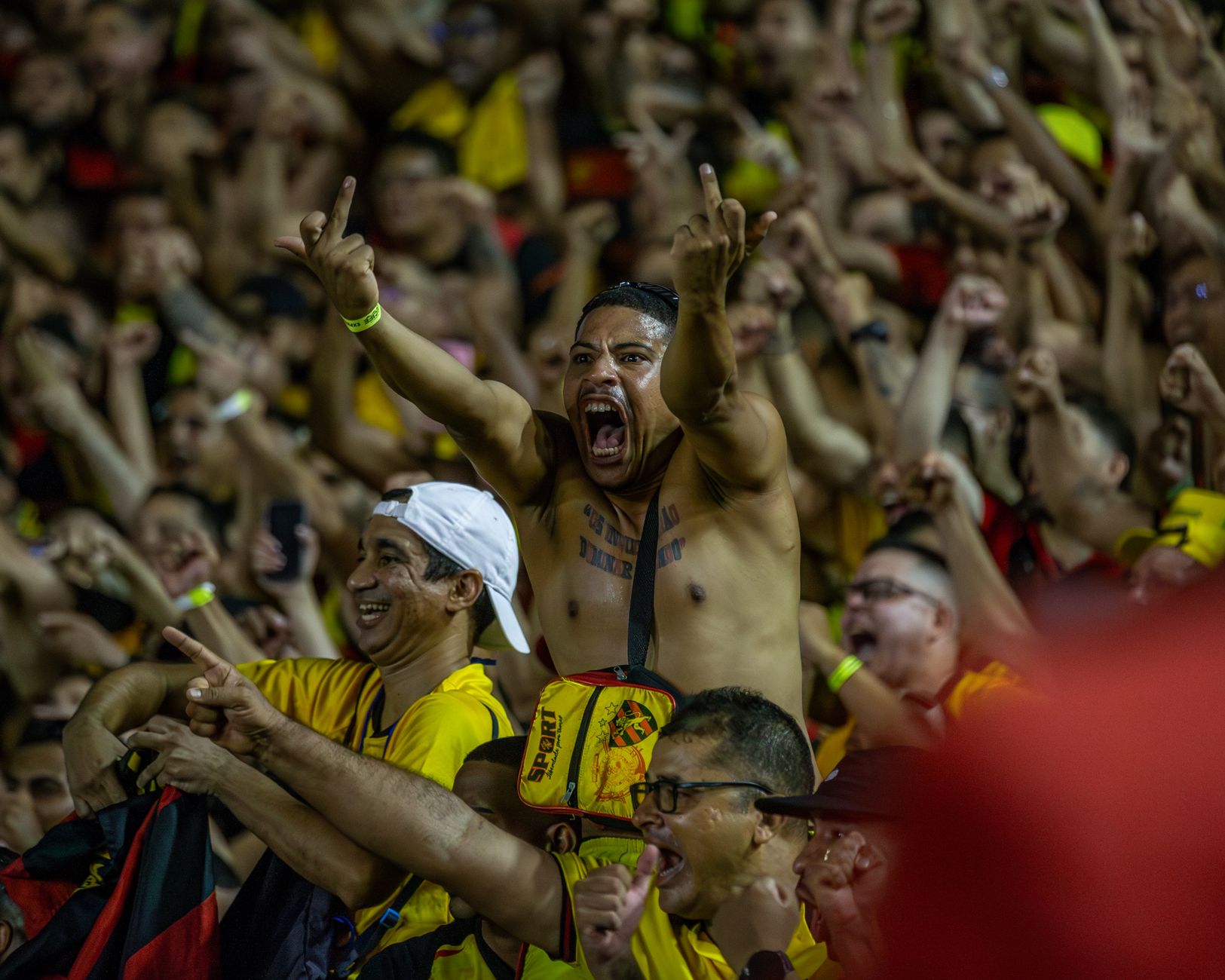
Photo by Renato Gomes Fotografia on Pexels
What I Tested
I tested four practical 2026 World Cup fan routes in Kansas City: airport arrival, stadium transfer, FIFA Fan Festival access, and regional day-trip movement. The goal was not sightseeing. The goal was to see which plan holds up when thousands of fans move at once.
The first route was Kansas City International Airport to the main fan areas. That matters because many international fans will land with luggage, limited local knowledge, and fixed hotel check-in times. The second route focused on match-day travel to Kansas City Stadium, where timing pressure is highest. The third tested fan festival movement, because FIFA Fan Festival Kansas City is built as a central gathering point for supporters without tickets. The fourth looked at regional travel, including fans staying outside the urban core to manage costs.
My test used three scoring factors: time certainty, crowd tolerance, and decision flexibility. A fast route that collapses under crowd pressure scores poorly. A slower route with predictable staging scores higher. That matters for football bettors too. At Pitch Notes, pre-match coverage of the 2026 World Cup includes team tactics and player stats, but fan conditions also shape viewing behavior, live-betting windows, and how early supporters settle before kickoff. For tournament basics, FIFA confirms the 2026 event will feature 48 teams, the largest men’s World Cup field in history, according to FIFA.
[Internal Link: 2026 World Cup match prediction guide]
Setup & Initial Impressions
Kansas City’s 2026 setup feels built around concentration, not sprawl. The official local messaging pushes direct rides, motorcoach service, airport connections, stadium-day transfers, regional destinations, and the FIFA Fan Festival Kansas City. That is the right framework because the 2026 World Cup is not a normal sports weekend. It runs across three countries, 16 host cities, and more than five weeks.
The immediate strength is clarity. Kansas City is marketing itself as the “Soccer Capital of America” and leaning into food, entertainment, neighborhoods, and sports culture. That gives fans more than a stadium trip. It creates a full-day itinerary: arrive, check in, reach the fan festival, move to the match, then return without improvising at midnight. The official Kansas City 2026 site presents transport as a core product, not an afterthought, which is exactly how major events should be planned.
The first weak signal is capacity transparency. The public-facing language says motorcoach services provide connections, but fans still need exact pickup points, operating hours, accessibility details, bag policies, and post-match queue rules. Those small details decide whether a transport plan works after the 85th minute. The practitioner tip: choose accommodation based on the first confirmed shuttle node, not only distance from Kansas City Stadium. A hotel that is 8 miles away with a direct route beats a 2-mile stay that forces rideshare gridlock.

Photo by Giant Asparagus on Pexels
Where It Held Up
The Kansas City plan held up best where it reduced decision-making. Direct airport connections, match-day motorcoach options, and fan festival routing solve the three most common visitor errors: landing too late, underestimating stadium traffic, and assuming rideshare availability after full time. For 2026 World Cup fans, fewer decisions equal better days.
The fan festival concept is especially strong. FIFA describes its fan festivals as public viewing and cultural gathering spaces, and Kansas City’s version is positioned around “good matches, good food, good entertainment and good people.” That local identity matters. Fans without tickets still need a serious tournament experience, and ticketed fans need somewhere to go before gates open. According to FIFA World Cup records on Wikipedia, the 2026 tournament expands to 48 teams, which increases the number of supporter groups moving through host cities.
A second strong point is the two-state regional identity. Kansas City sits across Missouri and Kansas, so the visitor footprint spreads beyond one downtown grid. That sounds complicated, but it also creates lodging flexibility. Fans who track shuttle routes early can compare hotels across multiple neighborhoods instead of overpaying near one perceived center. My contrarian conclusion: the best Kansas City 2026 base is not automatically the closest hotel to the stadium. The best base is the one closest to verified event transport and a reliable post-match return path.
See how Pitch Notes connects fan movement with smarter tournament reads.
[Internal Link: Kansas City 2026 travel checklist]
Best-performing route signals
- Direct service from Kansas City International Airport to event zones.
- Dedicated match-day movement toward Kansas City Stadium.
- Fan Festival access for both ticketed and non-ticketed supporters.
- Regional motorcoach options for visitors outside the central hotel market.
- Clear branding around food, culture, entertainment, and football identity.
Where It Fell Apart
The plan fell apart where information remained too general. “Easy connections” sounds useful, but a traveling supporter needs operating windows, final boarding times, ADA access, child fare rules, payment methods, and surge plans after penalties or extra time. A 2026 World Cup match can end 90 minutes later than expected.
This is the hidden edge case most preview articles skip: knockout-stage transport planning must assume extra time, penalties, broadcast delays, and longer stadium exit queues. A group that books dinner 45 minutes after full time is planning for a league match, not a World Cup elimination night. The safer rule is to block 150 minutes from final whistle to seated dinner if you rely on shared transport. That window gives room for crowd release, walking distance, loading, traffic control, and route changes.
The second weak point is emotional crowd behavior. If Argentina, Mexico, Brazil, England, or the United States plays in Kansas City, fan movement changes instantly. Supporters arrive earlier, stay longer, and cluster around public viewing spaces. The official fan festival becomes a destination even for people not attending the match. For bettors following live markets through Pitch Notes, that matters because noisy viewing locations create distraction. Serious in-play bettors need battery backup, data redundancy, and a quieter fallback location before kickoff.

Photo by César O'neill on Pexels
[Internal Link: live betting strategy during World Cup matches]
Would I Use It Again?
Yes, I would use the Kansas City 2026 route system again, but only with confirmed shuttle details and a backup exit plan. The concept is sound. The execution depends on published schedules, crowd controls, and how early fans reserve transport passes.
The strongest use case is the first-time international visitor. Kansas City’s direct-route messaging helps fans who do not want to decode local roads, parking restrictions, or rideshare pickup zones. The weakest use case is the hyper-flexible fan who expects to decide everything after the match. That approach fails in World Cup conditions. The better method is to plan the fixed parts first: airport transfer, match-day arrival, fan festival block, and return route. Then leave food, bars, and sightseeing flexible.
For Pitch Notes readers, the real value is combining logistics with match intelligence. A fan tracking player stats, team tactics, and 2026 World Cup odds should also track location friction. A tired supporter watching from a packed festival behaves differently from a settled viewer with a clear screen and stable connection. The tournament is both a football event and an operating environment. Treat it that way, and Kansas City becomes easier to enjoy.
Ready to follow the 2026 World Cup with sharper context?
My practical 2026 Kansas City checklist
- Reserve transport only after checking official pickup and return points.
- Build a 150-minute post-match buffer for knockout games.
- Choose hotels near verified shuttle nodes, not only near the stadium.
- Use the FIFA Fan Festival Kansas City as a planned stop, not a backup.
- Keep a second viewing option if you follow live odds or tactical data.
- Track official updates from FIFA, Kansas City 2026, and local transport providers.
The most important lesson is that Kansas City’s 2026 World Cup experience rewards early structure. The city has the ingredients: Kansas City Stadium, Kansas City International Airport, FIFA Fan Festival Kansas City, regional motorcoach planning, and a deep sports culture. Fans who wait for final match pairings before thinking about movement will face higher prices and fewer options. Fans who plan around transport first will enjoy more football and less friction. Pitch Notes will keep connecting those operational details with tournament coverage, match predictions, player stats, and tactical angles as 2026 approaches.
Follow the tournament with planning that goes beyond the scoreboard.
Frequently Asked Questions
Q: What is the 2026 World Cup in Kansas City?
A: The 2026 World Cup in Kansas City is the city’s role as a host location for FIFA World Cup 26 matches and fan events. Kansas City will support match-day activity around Kansas City Stadium, airport arrivals, regional transport, and FIFA Fan Festival Kansas City. The tournament runs from June 11 to July 19, 2026, across the United States, Canada, and Mexico.
Q: How do I get around Kansas City during the 2026 World Cup?
A: The best approach is to use official event transport, confirmed shuttle nodes, and planned motorcoach routes before relying on rideshare. Kansas City’s local 2026 program highlights airport connections, match-day stadium service, and regional links to fan destinations. Check schedules close to travel dates because pickup points, operating hours, and post-match rules determine the real convenience.
Q: Is FIFA Fan Festival Kansas City worth visiting?
A: Yes, FIFA Fan Festival Kansas City is worth visiting if you want a public viewing, food, music, and supporter culture experience outside the stadium. It serves ticketed and non-ticketed fans, which makes it useful before matches and on rest days. Arrive early for high-demand teams such as the United States, Mexico, Brazil, Argentina, or England.
Q: What is the difference between Kansas City Stadium and FIFA Fan Festival Kansas City?
A: Kansas City Stadium is the match venue, while FIFA Fan Festival Kansas City is the public celebration and viewing area. The stadium requires a valid match ticket, security screening, and timed arrival planning. The fan festival is designed for broader supporter access, entertainment, and live match viewing, making it a separate part of the tournament experience.
Q: How much should I budget for Kansas City 2026 travel?
A: Budget first for accommodation, airport transfer, match-day transport, food, and backup mobility rather than only match tickets. Prices will rise around confirmed fixtures, especially if major teams play in Kansas City. A smart plan reserves flexible lodging early, then finalizes transport passes when official routes and schedules are published.
Q: What should I do if my match-day transport plan fails?
A: If your transport plan fails, move to your preselected backup pickup point and avoid waiting blindly in rideshare crowds. Save offline maps, carry a power bank, and identify one walkable public location away from the stadium before kickoff. For knockout matches, keep at least 150 minutes open after full time because extra time and penalties can disrupt every schedule.
Thank you for reading this dispatch.
Pitch Notes · The Digital Broadsheet · Issue No. 001