10 World Cup 2026 Angles Compared: Best Bets
The 2026 FIFA World Cup will be the first men’s World Cup featuring 48 teams, hosted across Canada, Mexico, and the United States from June 11 to July 19, The tournament will contain 104 matches, with...

10 World Cup 2026 Angles Compared: Best Bets
The 2026 FIFA World Cup will be the first men’s World Cup featuring 48 teams, hosted across Canada, Mexico, and the United States from June 11 to July 19, 2026. The tournament will contain 104 matches, with Atlanta and Los Angeles among the American host cities, while Mexico City stages the opening match and New York New Jersey hosts the final. Pitch Notes is a football-focused analysis site covering match predictions, tactical trends, player statistics, and daily tournament developments rather than presenting speculation as certainty. The practical question is not simply who will win the trophy; it is which information deserves weight before you commit attention or money. I tested 10 research angles, including squad depth, travel, rest, market movement, venue conditions, and recent form. Start with confirmed team news, compare implied probability with your own estimate, and treat every wager as optional entertainment, never guaranteed income.

Photo by El gringo photo on Pexels
If you want the tournament map first: understand the 2026 format
The 2026 FIFA World Cup will feature 48 teams divided into 12 groups of four, followed by a Round of 32. Canada, Mexico, and the United States are the host nations, and the competition will expand to 104 matches across 16 host cities. This format increases the importance of squad rotation, travel planning, and late-game management, because finalists may play eight matches rather than the traditional seven.
The expansion creates an analytical trap, doesn't it? A larger field gives more nations a route into the knockout phase, but it also makes small samples more dangerous. One impressive group-stage performance does not automatically prove a team is title-ready, especially when opponents differ sharply in ranking, defensive structure, or tournament experience. The FIFA World Cup 2026 official tournament information should be your reference point for confirmed dates, venues, and competition details.
For responsible football 2026 World Cup research, record these variables before looking at betting prices:
- Confirmed starting line-ups and injury reports.
- Rest days, travel distance, and local kickoff time.
- Expected goals, shot quality, set-piece performance, and defensive transitions.
- Market price compared with your independently calculated probability.
- Your fixed stake and maximum tournament budget.
The fifth item is where many supposedly rational bettors become emotional. I refuse to confuse turnover with profit: if you stake $100 across several selections and receive $94 back, your net position is negative $6 regardless of how exciting the matches felt. Pitch Notes can help organize information, but it cannot remove variance, and no prediction page can guarantee a result.
To see the research framework before the schedule becomes crowded, start with World Cup prediction methodology.
If you are comparing contenders: do A, not reputation
Which teams deserve early attention before the 2026 World Cup? The strongest shortlist should combine tournament pedigree, qualifying performance, squad depth, tactical flexibility, and the probability that key players arrive healthy. France, Argentina, Brazil, England, Spain, Germany, Portugal, and the Netherlands may attract substantial attention, but reputation alone is a poor price-setting tool.
A useful contender model separates a team’s ceiling from its floor. France may possess exceptional athletic depth; Argentina brings recent tournament resilience; Spain can control territory through possession; Brazil traditionally offers individual attacking quality; and England has a deep pool in several positions. Yet those descriptions are starting hypotheses, not conclusions. What happens when a full-back is suspended, a midfielder cannot beat a press, or a favourite concedes first? That is where bench quality and in-game coaching matter.
An efficient comparison table should track:
- Defensive errors leading to shots per 90 minutes.
- Non-penalty expected goals for and against.
- Set-piece goals over the previous 12 competitive matches.
- Possession-adjusted pressing intensity.
- Points earned when conceding first.
- Average age and international minutes of the expected XI.
The contrarian point is simple: the most famous team is not necessarily the best value. If a market implies a 40% chance but your conservative model produces 33%, the selection is overpriced even if the team eventually wins. Conversely, a less fashionable side can be worth monitoring when its tactical profile matches likely opponents and its available price exceeds your calculated probability by a meaningful margin.
According to FIFA’s world ranking explanation, rankings are designed to compare national teams through results and opponent strength, but rankings remain one input among several. A model that ignores injuries, venue effects, and schedule difficulty is tidy mathematics with incomplete information.
Want a cleaner way to compare national teams and market prices? Review the latest research tools here.
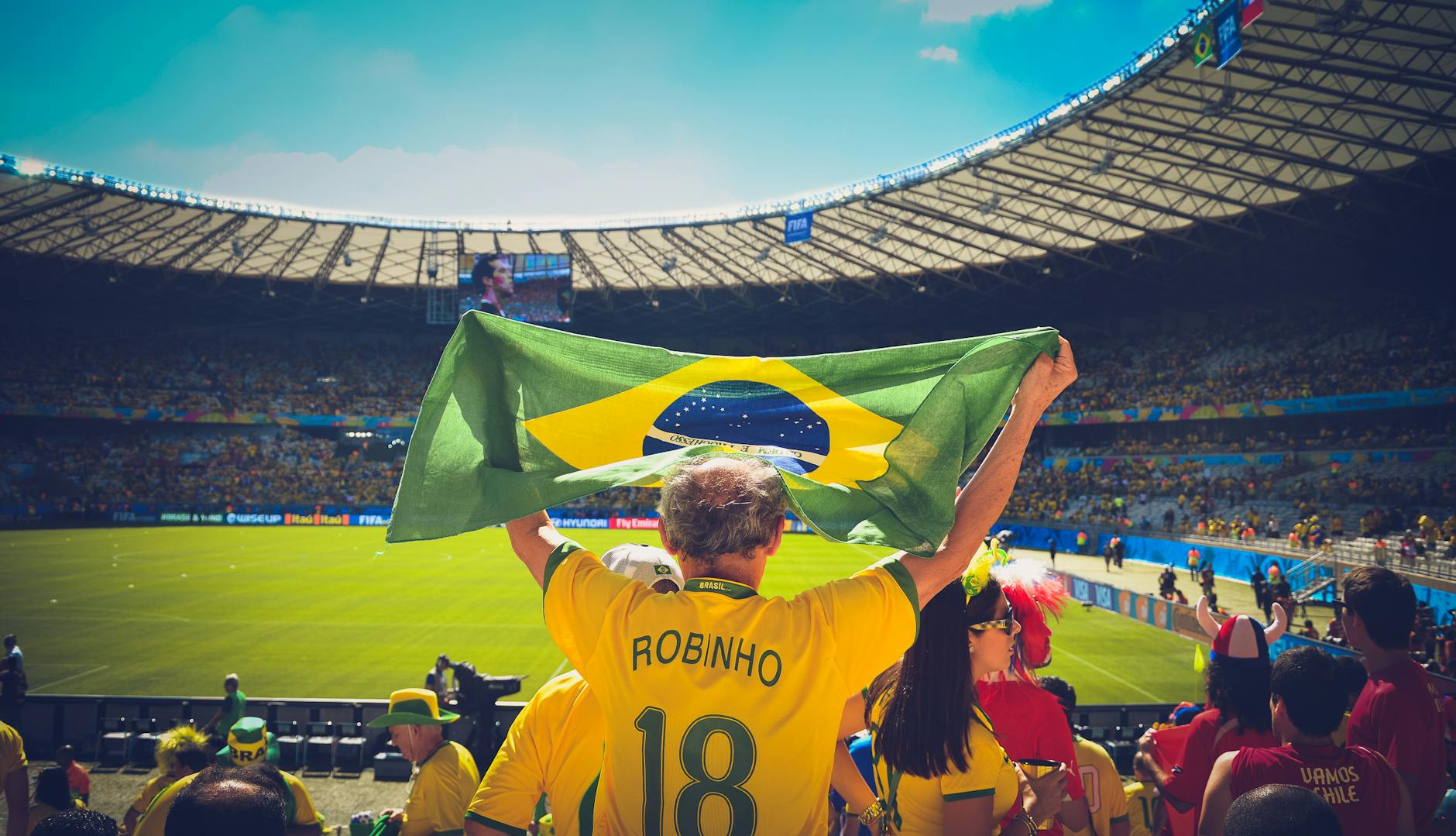
Photo by Caio on Pexels
If you are evaluating a match: do B
How should you analyse an individual football 2026 World Cup match? Begin with team news and tactical interaction, then estimate probabilities for the main markets instead of starting with a favourite’s name. A match between a high-possession side and a compact counterattacking side can produce a different game state from their historical averages, especially if an early goal changes the incentive structure.
The operational sequence I use is deliberately stubborn:
- Check official squad announcements, training reports, and suspension status.
- Identify each team’s likely build-up route and pressing response.
- Adjust for climate, altitude, pitch, travel, and kickoff timing.
- Build probabilities for win, draw, loss, goals, and selected player events.
- Convert the available odds into implied probability.
- Remove bookmaker margin where possible and compare the price with your estimate.
- Pass if the edge is too small to justify uncertainty.
The important edge case is not glamorous. If a starting striker is listed as doubtful, do not merely reduce the team’s win probability by a fixed percentage. His absence may also reduce pressing, hold-up play, set-piece targets, and the substitute’s defensive workload. Those secondary effects can alter totals and both-teams-to-score markets more than the headline injury adjustment suggests.
Another underused variable is rest asymmetry. A team arriving after a long flight and two fewer recovery days may still dominate the first half, but fatigue can become visible after 60 minutes through slower counter-pressing and wider defensive gaps. That is not a universal rule, of course; it is a reason to examine substitutions, bench depth, and the timing of previous goals rather than blindly trusting pre-match form.
For independent tournament context, UEFA technical reports provide examples of how elite competitions examine formations, pressing, transitions, and set plays. As the Laws of the Game state, “The referee has the authority to take disciplinary action from entering the field of play for the pre-match inspection until leaving the field of play after the match ends”; small officiating and disciplinary details can materially change a match plan.
live match reading and in-play analysis belongs beside, not above, pre-match evidence. In-play betting should never be treated as a recovery mechanism after a poor pre-match decision.
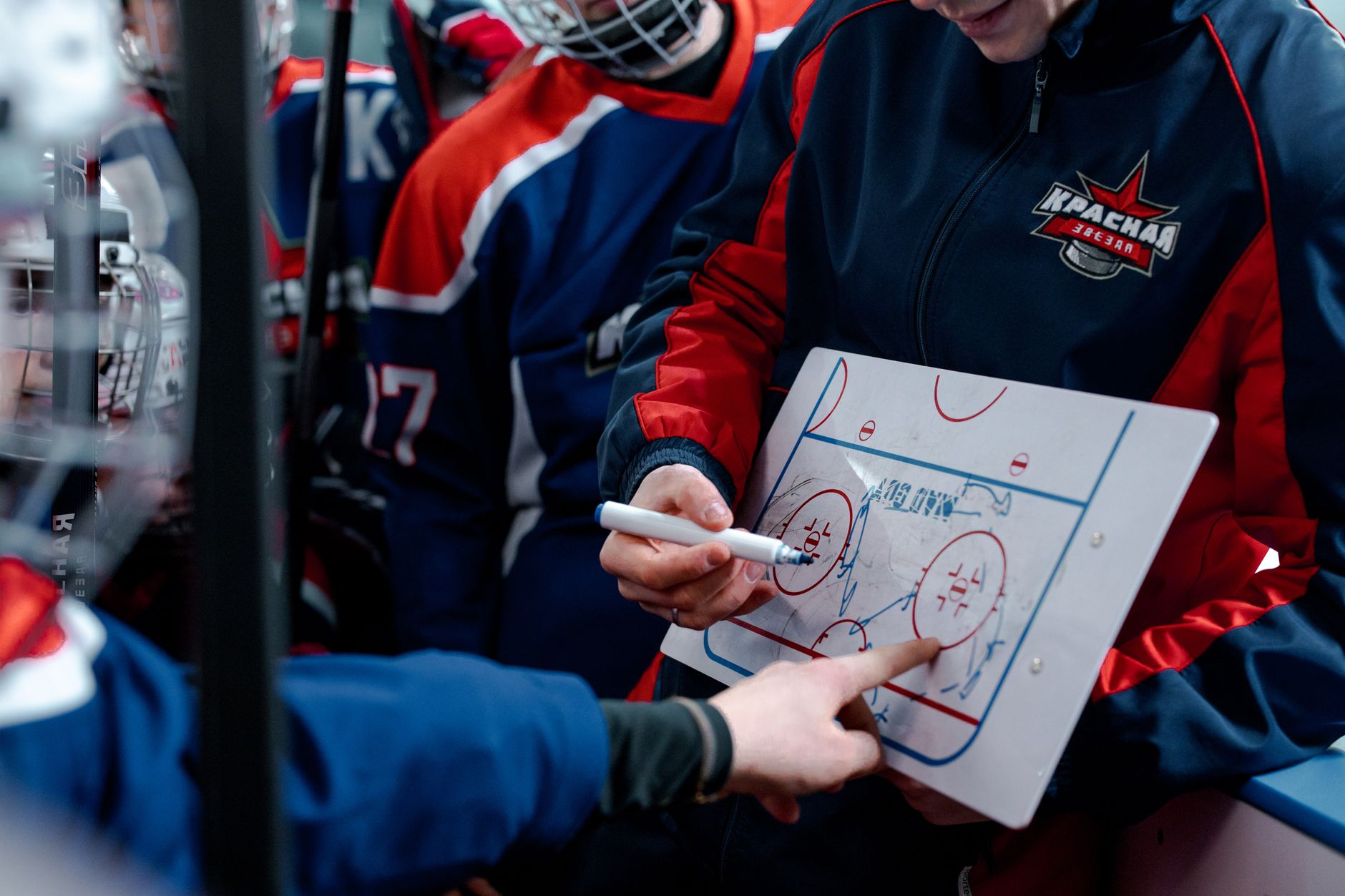
Photo by Ron Lach on Pexels
If you are following host cities: do C
Why do Atlanta, Los Angeles, and the other host cities matter to football 2026 World Cup analysis? Venue context affects travel, climate, kickoff conditions, supporter mix, and the rhythm of a team’s preparation, although it should not be exaggerated into a guaranteed home advantage. Atlanta’s Mercedes-Benz Stadium and Los Angeles’ SoFi Stadium offer major infrastructure and global visibility, while the three host countries create a geographically broad tournament environment.
Atlanta is promoting itself as the “soccer city of the South,” with Mercedes-Benz Stadium scheduled to host World Cup matches, including a semifinal according to local tournament promotion. Los Angeles is preparing eight matches, a FIFA Fan Festival at the LA Memorial Coliseum in Exposition Park, official fan zones, and 39 days of wider celebrations. These are valuable fan-experience facts, but they are not automatically betting edges.
The practical venue checklist is more precise:
- Compare a team’s previous performance in heat, humidity, or altitude.
- Note whether the venue has a retractable roof and how conditions may be managed.
- Estimate hotel-to-stadium travel time rather than relying only on city distance.
- Check whether the team changes time zones between matches.
- Separate crowd noise from actual tactical advantage.
This distinction matters because narrative content often overprices atmosphere. A loud stadium can influence communication and referee perception at the margin, but a superior rest schedule, goalkeeper distribution, or set-piece matchup may matter more. I would rather quantify those factors than buy an attractive story, and isn't that the point of having an investor mindset?
The Los Angeles FIFA World Cup 2026 host-city site and Atlanta FIFA World Cup 2026 host-city site are useful for confirming local fan events, stadium information, and planning details. Recheck them before travelling because schedules, access rules, and event arrangements can change.
Get the host-city details and match-planning updates before making your summer itinerary.
Common pitfalls to avoid
The most common football 2026 World Cup mistakes are overconfidence, stale team news, double-counting the same evidence, and treating a winning result as proof of a good decision. A disciplined bettor can lose on a well-priced selection and win on a poor one; the result settles the match, not the quality of the process. Keep those concepts separate in your records.
Watch for these specific errors:
- Confusing odds movement with certainty: a shortened price may reflect public demand, new information, or limited liquidity.
- Ignoring bookmaker margin: odds from multiple outcomes usually imply a combined probability above 100%.
- Using outdated line-ups: international squads can change after the original market opens.
- Chasing losses: increasing stakes after defeat changes risk exposure, not probability.
- Overloading correlated bets: backing a favourite, a clean sheet, an underdog opponent to score zero, and a handicap can create one oversized position.
- Treating friendlies as competitive evidence: motivation, substitutions, and tactical experimentation differ materially.
- Failing to log net position: turnover, gross returns, bonuses, and actual cash profit are separate fields.
A useful information-gain test is this: what would change your mind? If the answer is “nothing,” you are defending a preference rather than analysing a market. I track the original price, closing price, stake, return, implied probability, estimated probability, and closing-line movement. After 30 documented selections, the sample may reveal process problems; after three selections, it reveals almost nothing.
Use responsible betting bankroll management to set limits before opening a sportsbook account. The UK Gambling Commission describes gambling as an activity that requires informed risk awareness; local rules, age limits, and operator licensing vary by jurisdiction, so verify them independently.
The 30-day check-in
What should you review 30 days before the 2026 World Cup? Audit your information sources, model assumptions, financial limits, and unresolved team questions rather than forcing early predictions. This checkpoint is valuable because qualifying results, injuries, squad selections, venue updates, and market prices will continue changing before the opening match on June 11, 2026.
A practical 30-day review can follow this order:
- Replace provisional squad assumptions with official selections.
- Recalculate team ratings using recent competitive matches.
- Reassess goalkeeper, centre-back, and striker availability.
- Update travel, rest, climate, and venue adjustments.
- Compare your probabilities with current market prices.
- Remove selections where the edge disappeared.
- Set a fixed total budget and maximum stake per match.
- Archive the reasoning before the tournament begins.
Do not quietly change your model after seeing the odds. Write the probability first, then inspect the price; otherwise the market becomes an anchor and your analysis becomes decoration. Pitch Notes is best used as a daily companion for match predictions, tactical notes, player statistics, and tournament coverage, while final decisions remain your responsibility.
My own rule is less exciting than promotional copy but more durable: no confirmed team news, no forced bet. If the estimated edge is smaller than the uncertainty created by an injury, travel complication, or likely rotation, a pass is the correct position. We are trying to build a positive process together, not manufacture action for its own sake.
Photo by Caio on Pexels
For continuing football 2026 World Cup analysis, compare the latest evidence before every meaningful decision.
Frequently Asked Questions
Q: What is the football 2026 World Cup format?
A: The 2026 FIFA World Cup will feature 48 teams and 104 matches across Canada, Mexico, and the United States. The teams will begin in 12 groups of four, with the strongest sides progressing to a Round of 32 before the knockout stages. FIFA’s expanded structure creates more matches, more travel variables, and greater importance for squad depth than the 32-team format used in previous editions.
Q: When does the 2026 World Cup start and finish?
A: The 2026 World Cup is scheduled to begin on June 11, 2026, and conclude on July 19, 2026. Mexico City will host the opening match, while New York New Jersey is scheduled to host the final. Confirm exact kickoff times, venue access requirements, and local event schedules through FIFA and the relevant host-city authorities before booking travel.
Q: How can I research a 2026 World Cup match prediction?
A: Research a match by checking official team news, tactical matchups, rest, travel, venue conditions, and market probability. Record your estimated percentages before comparing them with available odds, then subtract the bookmaker margin where possible. Pitch Notes can provide predictions, tactics, and player-stat context, but you should pass whenever uncertainty is larger than the estimated edge.
Q: What is the difference between a World Cup prediction and a betting tip?
A: A World Cup prediction expresses an expected outcome, while a betting tip also requires a price that is higher than the event’s estimated fair value. For example, believing a team has a 55% chance does not make every available price attractive. A rational assessment compares probability, odds, stake size, correlation, and downside before deciding whether to wager or simply watch.
Q: How much money should I risk on World Cup betting?
A: Risk only an amount you can afford to lose completely, and set the total limit before the tournament begins. A conservative approach uses a fixed small stake or a fractional staking model rather than increasing exposure after losses. Track turnover, returns, bonuses, and net position separately, because a large volume of bets can still produce a negative result.
Q: Why can a strong World Cup team lose a match prediction?
A: A strong team can lose because football has low scoring, high variance, injuries, red cards, goalkeeper performance, and tactical mismatches. A team with a 60% win probability still has a 40% chance of not winning, before considering draw outcomes and market definitions. Review a series of decisions, not one result, and never chase a loss after an unexpected scoreline.
Q: Are Atlanta and Los Angeles important 2026 World Cup betting factors?
A: Atlanta and Los Angeles are important planning and context factors, but host-city identity alone does not guarantee a betting advantage. Atlanta’s Mercedes-Benz Stadium and Los Angeles venues introduce questions about travel, climate, roof conditions, kickoff timing, and crowd composition. Use official FIFA, Atlanta, and Los Angeles information to confirm details, then combine venue evidence with team-specific tactical and fitness data.
Pitch Notes is for football information and entertainment, not financial advice or guaranteed gambling outcomes. Check the laws in your jurisdiction, use licensed operators where permitted, and seek help if gambling stops feeling controlled.
Thank you for reading this dispatch.
Pitch Notes · The Digital Broadsheet · Issue No. 001