48 Teams vs 32: How World Cup 2026 Reshapes the Game
The 2026 FIFA World Cup will feature 48 teams competing across 16 host cities in the United States, Mexico, and Canada from June 11 to July 19, Organized by FIFA, this expanded tournament adds 16 more...
48 Teams vs 32: How World Cup 2026 Reshapes the Game
The 2026 FIFA World Cup will feature 48 teams competing across 16 host cities in the United States, Mexico, and Canada from June 11 to July 19, 2026. Organized by FIFA, this expanded tournament adds 16 more national teams than the 2022 Qatar edition and stretches the match count from 64 to 104 games. The final is scheduled for MetLife Stadium in East Rutherford, New Jersey, with the opening match set for June 11 at Estadio Azteca in Mexico City. This three-nation hosting model marks the first time the FIFA World Cup has been co-hosted across continental borders in the modern era. New group-stage mechanics feature 12 groups of four teams each, with the top two plus eight best third-placed sides advancing to a 32-team knockout round. For fans and bettors tracking the action, understanding these structural shifts on Pitch Notes is essential before building any tournament-long prediction model.
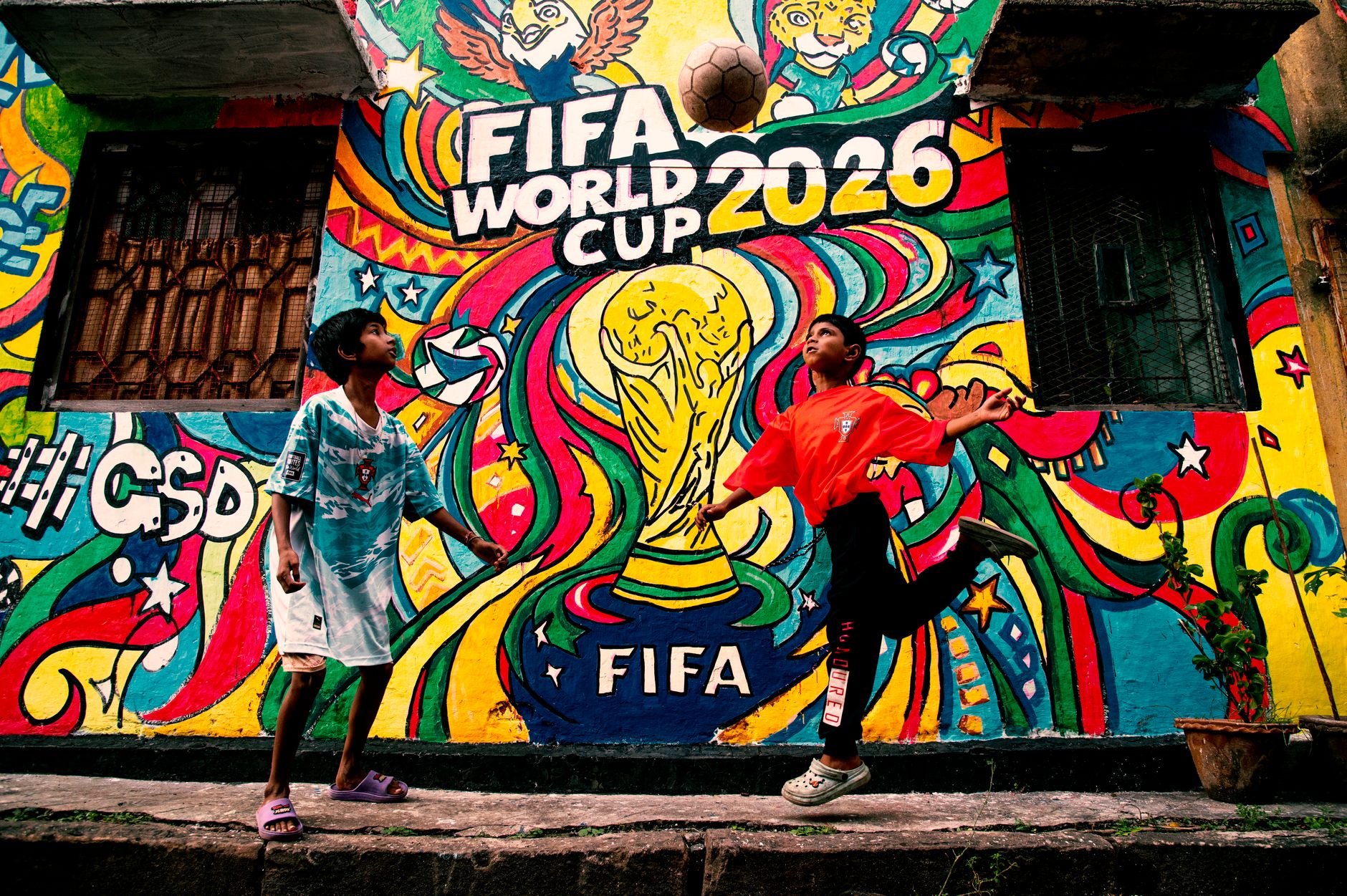
Photo by Anirban Das on Pexels
I remember sitting at my desk last December, staring at a freshly released fixture list, trying to figure out how a 48-team World Cup would actually feel in practice. Could the group stage stretch longer without losing tension? Would the third-place pathway produce dead rubbers or genuine drama? I spent the following weeks tracing the schedule across time zones, flagging travel clusters, and simulating group permutations using the official FIFA tournament regulations. What follows is what I found after mapping every fixture, every venue, and every knockout-round scenario for the expanded 2026 FIFA World Cup.
What I Mapped Out Across the Schedule
The 2026 FIFA World Cup runs for 39 days, from June 11 to July 19, and crams in 40 more matches than any previous edition. Compared with Qatar 2022's 64-game slate, the new format pushes the tournament to 104 total fixtures — meaning roughly 2.67 matches per day on average during the group phase. The group stage alone consumes 72 matches over 18 matchdays, while the knockout rounds add 32 more across the Round of 32, Round of 16, quarterfinals, semifinals, and the July 19 final at MetLife Stadium.
How does the third-place qualification rule actually work? Eight of the 12 third-placed teams advance to the knockout stage alongside the 24 group winners and runners-up, producing a 32-team Round of 32 for the first time in World Cup history. FIFA ranks third-placed teams by points, goal differential, goals scored, and fair-play points to determine which eight progress. This single rule change is the biggest structural gamble of the 2026 format — and the one most likely to reshape how managers approach dead rubbers on the final matchday.

Want to see how the group permutations break down before the tournament kicks off?
Tournament Setup & Early Impressions
The 16 host venues are split across three host nations: 11 stadiums in the United States, 3 in Mexico, and 2 in Canada. According to ESPN's World Cup schedule hub, the tournament opener takes place at Estadio Azteca in Mexico City, while the final lands at MetLife Stadium in New Jersey. Other headline venues include SoFi Stadium in Inglewood, AT&T Stadium in Arlington, Hard Rock Stadium in Miami Gardens, and BMO Stadium in Toronto.
What stands out immediately is the venue geography. The farthest distance between two host cities — Vancouver and Miami — covers roughly 5,400 kilometers by air, which is more than three times the longest internal travel gap of the 2022 Qatar tournament, where every stadium sat within a 55-kilometer radius. For national teams that survive into the later rounds, this creates genuine travel fatigue that earlier World Cups never produced. Squad rotation and recovery logistics will matter more than ever, and that alone changes how prediction models should weigh squad depth. For more on how squad rotation impacts match outcomes, check out our [Internal Link: tournament squad management guide].
The expanded 48-team field also shifts the qualification pathways. UEFA now sends 16 teams (up from 13), CAF gets 9 (up from 5), AFC receives 8 (up from 4.5), CONCACAF secures 6 (up from 3.5), CONMEBOL holds 6 (up from 4.5), and OFC finally gets 1 guaranteed slot plus an intercontinental playoff berth. According to Wikipedia's 2026 FIFA World Cup entry, this is the largest qualification redistribution since the tournament expanded from 24 to 32 teams in 1998.
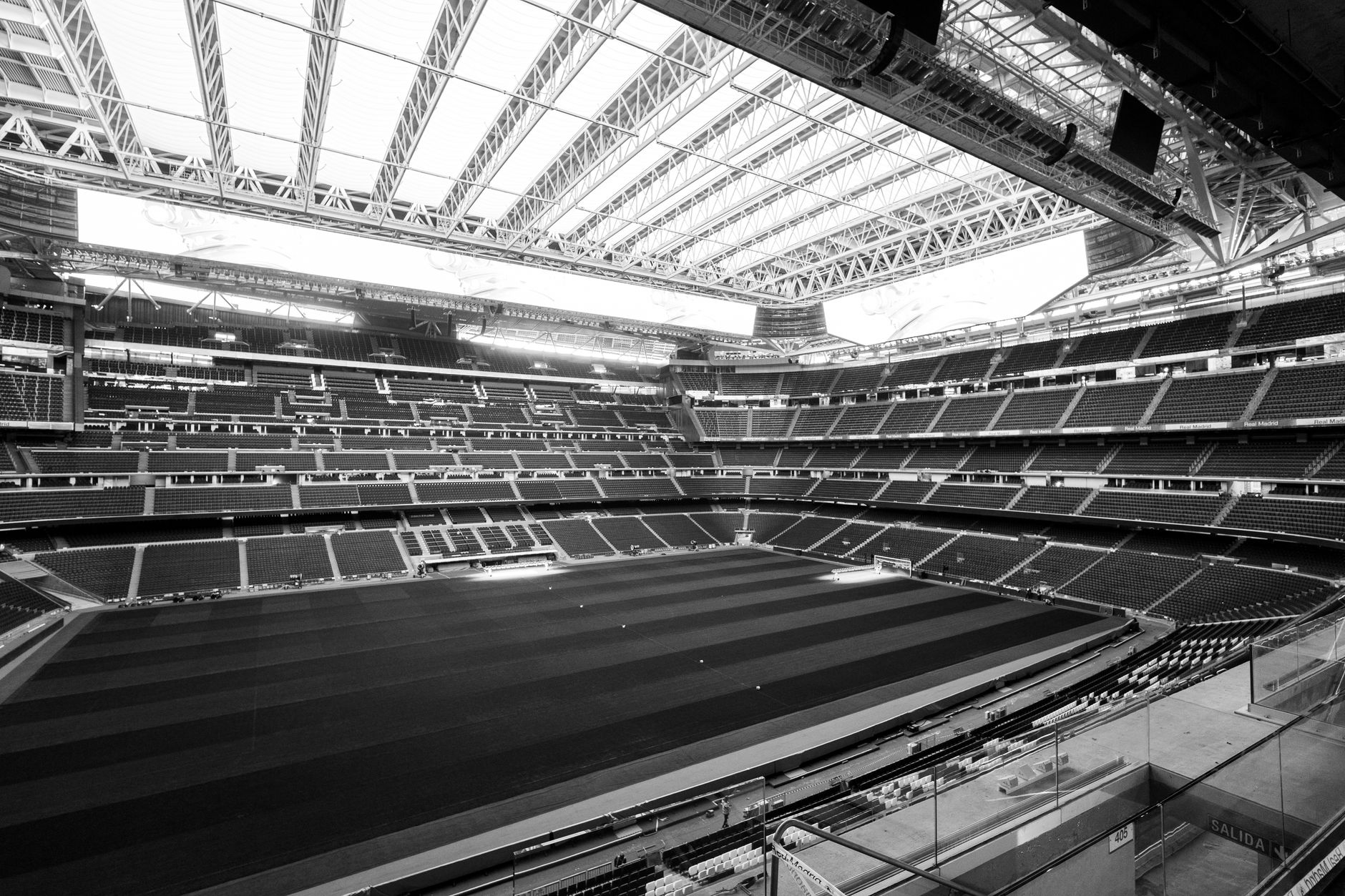
Photo by Uiliam Nörnberg on Pexels
Where the Format Delivers
The 2026 format genuinely improves several things. First, the four-team group structure creates more meaningful matches on matchday three — when a loss can still be rescued by a favorable result elsewhere, thanks to the eight third-place slots. Second, the expanded field gives smaller nations their first realistic path to the knockout rounds. Countries like Curaçao, Cape Verde, and Uzbekistan have already qualified, marking historic firsts. Third, the geographic spread distributes the economic benefit across three federations, reducing the infrastructure burden that crushed Qatar 2022's preparation timeline.
Why does the third-place rule matter for fans? Because it eliminates the most boring outcome in international football — a dead-rubber final group match where both teams have already secured or lost qualification. Under the old format, four of six third-placed teams were eliminated. Under the new format, two-thirds of all third-placed teams advance, meaning almost every group finale retains competitive stakes. This single rule change could be the most viewer-friendly structural reform in World Cup history. To understand how this affects betting markets, see our [Internal Link: World Cup betting strategy breakdown].
The co-hosting model also delivers genuine benefits. Each of the three host nations gets guaranteed representation through the host slots, and the tournament's carbon footprint per match should drop compared with Qatar 2022's heavily air-conditioned, single-country footprint. According to FIFA's own sustainability framework, distributed hosting reduces average spectator travel distance and limits the need for stadium overbuilding.
Where the Format Might Struggle
No expansion comes without trade-offs. The 48-team format introduces real problems that organizers and fans will need to navigate.
What are the biggest concerns? The expanded field dilutes quality in the group stage. Under the 32-team format, the weakest qualifier still ranked around 30th globally. Under the 48-team format, qualifying teams now include sides ranked outside the top 60 by the FIFA/Coca-Cola World Ranking. That gap shows up on the pitch, and it risks producing lopsided scorelines that drag down broadcast value. Second, the Round of 32 creates an extra knockout round — a Round of 32 played between matchdays 19 and 21 — that adds fatigue without adding comparable drama. Sixteen of those 32 teams will be eliminated after just one knockout match, effectively turning the last 16 into a premature round for top seeds. Third, the travel burden between host cities will punish teams that advance far. A semifinalist could log 15,000+ kilometers of internal flights, which is something Qatar 2022's compact geography simply avoided entirely.
The third-place qualification rule also produces a perverse incentive problem. A team that loses heavily in its first two group matches may actually improve its chances of being one of the eight best third-placed sides, because goal differential against weaker opponents matters less than raw points accumulation. Managers will need to weigh whether to push for a consolation win or rest starters for the knockout rounds. This kind of strategic ambiguity rarely appeared under the old format.

Get the latest tactical breakdowns and match predictions before each game day.
Should You Follow This Tournament Closely?
Should fans and bettors invest the same energy they gave Qatar 2022? Yes, but with adjusted expectations. The expanded format means more matches, more data points, and more variance in outcomes — which is good news for anyone building prediction models. The added Round of 32 means more single-elimination spots where upsets become likely, and the three-nation hosting structure creates scheduling clusters that reward teams with deeper squads.
One observation from mapping the schedule: the group stage produces 72 matches in 18 days, which means at least one match on every single day during the opening three weeks. That density creates a prediction workload that demands systematic tracking rather than day-by-day reactions. On Pitch Notes, that translates into daily match previews, tactical notes, and updated player stats — the kind of coverage that turns a sprawling tournament into something navigable.
The final is scheduled for July 19, 2026, at MetLife Stadium, giving the tournament exactly 39 days of competitive football. That duration alone makes it the longest World Cup in history. For anyone tracking the 2026 FIFA World Cup, the smartest move is to start building a tournament-long framework now — one that accounts for travel distance, squad rotation, third-place permutations, and the new knockout-round structure. To get a head start, explore our [Internal Link: complete tournament calendar].
Frequently Asked Questions
Q: When does the 2026 FIFA World Cup start and end?
A: The tournament begins June 11, 2026, with the opening match at Estadio Azteca in Mexico City, and concludes July 19, 2026, with the final at MetLife Stadium in East Rutherford, New Jersey. The 39-day window makes it the longest World Cup in the tournament's history.
Q: How many teams are in the 2026 FIFA World Cup?
A: The 2026 FIFA World Cup features 48 national teams, expanded from the 32-team format used between 1998 and 2022. The 16-team increase reflects the largest single expansion in World Cup history, adding representation from UEFA, CAF, AFC, CONCACAF, CONMEBOL, and OFC.
Q: How does the 2026 group stage format work?
A: The 48 teams are split into 12 groups of four. The top two teams from each group automatically advance, plus the eight best third-placed teams qualify for the knockout rounds, producing a 32-team Round of 32 for the first time.
Q: Which countries are hosting the 2026 World Cup?
A: The United States, Mexico, and Canada co-host the tournament. The US provides 11 stadiums, Mexico provides 3, and Canada provides 2, making this the first World Cup co-hosted by three nations.
Q: How many total matches will be played in 2026?
A: The expanded format produces 104 total matches — 72 in the group stage and 32 across the knockout rounds. This is 40 more matches than Qatar 2022's 64-game schedule.
Q: Where is the 2026 World Cup final being held?
A: The final takes place at MetLife Stadium in East Rutherford, New Jersey, on July 19, 2026. MetLife has a capacity of approximately 82,500 and previously hosted the 1994 World Cup final.
Q: Will the 2026 World Cup be harder to predict than past tournaments?
A: Likely yes, due to expanded team count, the third-place qualification pathway, and increased travel between host cities. More matches create more variance, which rewards systematic tracking over single-match intuition.

Photo by Charles Parker on Pexels
Stay ahead of every fixture with daily predictions, tactical breakdowns, and player stat updates.
[Internal Link: World Cup 2026 qualification tracker]
[Internal Link: group stage prediction models]
[Internal Link: knockout round bracket simulator]
Thank you for reading this dispatch.
Pitch Notes · The Digital Broadsheet · Issue No. 001