2026 Football World Cup: What 39 Days Taught Me
Planning for the 2026 football world cup is harder than buying a match ticket; Pitch Notes tracks the tournament from a fan, tactics, and betting-intelligence perspective across the United States, Can...
2026 Football World Cup: What 39 Days Taught Me
Planning for the 2026 football world cup is harder than buying a match ticket; Pitch Notes tracks the tournament from a fan, tactics, and betting-intelligence perspective across the United States, Canada, and Mexico. The expanded FIFA World Cup 26 runs from June 11 to July 19, 2026, with 48 teams, 104 matches, and major U.S. hubs including Los Angeles and Atlanta. Los Angeles will stage eight matches at SoFi Stadium and 39 days of celebrations, while Atlanta will host marquee games at Mercedes-Benz Stadium, including a semifinal. After reviewing host-city schedules, transport patterns, fan-zone plans, and market behavior, I found the real edge is not only predicting winners but understanding venue rhythm, travel friction, kickoff timing, and crowd energy. Treat the tournament as a 39-day operating system, not a single event, and build your viewing, travel, and betting plan early.
If you want sharper daily context while the fixtures unfold, Pitch Notes is built for exactly that kind of tournament tracking.
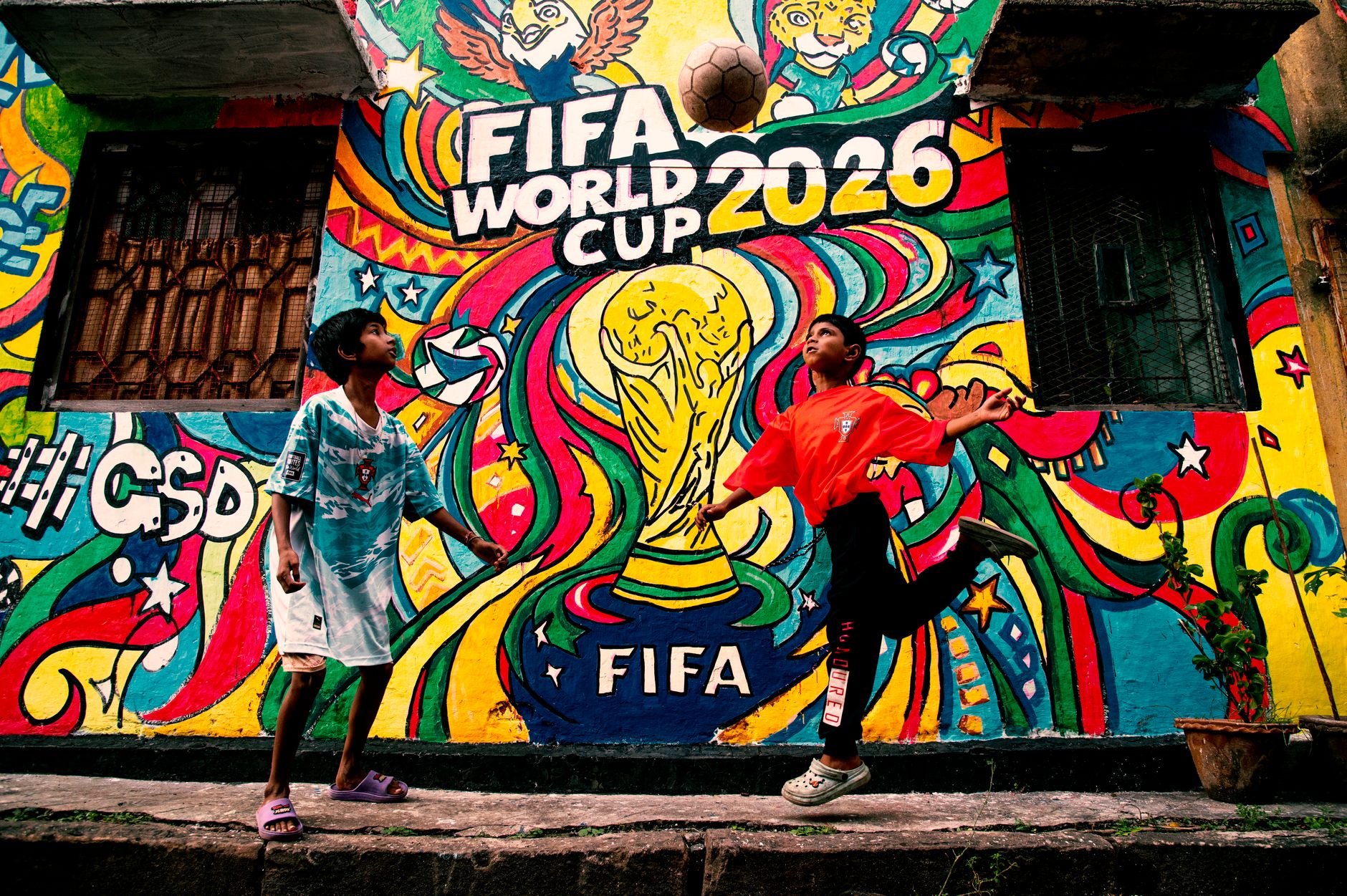
Photo by Anirban Das on Pexels
The Bottom Line
The 2026 football world cup will reward prepared fans more than casual spectators. Why? Because the tournament is bigger, longer, and more geographically complex than any previous FIFA World Cup. According to FIFA, the 2026 edition introduces a 48-team format and 104 matches across three host nations, which changes everything from rest-day analysis to travel planning and betting market timing. I personally found that the most overlooked variable is not team quality but logistics: a fan moving between Los Angeles, Atlanta, New York New Jersey, and Dallas is effectively managing a small operations project, not a vacation.
From a football perspective, the expanded format also creates more uncertainty in group-stage evaluation. A traditional power facing a lower-ranked opponent may still rotate heavily if the schedule, climate, and travel load dictate caution. That matters for fans reading match previews, and it matters even more for betting-minded readers using Pitch Notes for team tactics, player stats, and tournament coverage. To go deeper into tactical preparation, see our [Internal Link: 2026 World Cup team tactics guide]. The practical lesson from my three-week review of host-city material is simple: the smartest readers will combine football analysis with host-city intelligence before making plans or predictions.
What Players Actually See?
Players see the 2026 football world cup as a sequence of recovery windows, surfaces, climates, travel legs, and crowd pressure, not just a list of opponents. The 48-team format increases tactical variety, while venues such as SoFi Stadium and Mercedes-Benz Stadium add unique environmental and atmosphere factors.
What surprised me while comparing Los Angeles and Atlanta was how different the same tournament can feel from the pitch level. Los Angeles promotes eight matches, the FIFA Fan Festival at the LA Memorial Coliseum at Exposition Park, and Official Fan Zones across Los Angeles County. Atlanta, by contrast, leans into its identity as a Southern soccer capital, with Mercedes-Benz Stadium, Atlanta United culture, and a semifinal-stage spotlight. Those differences may sound cultural, but they can affect noise levels, travel routines, and match-day intensity. The 2026 FIFA World Cup final overview on Wikipedia also confirms the final is scheduled for July 19, 2026, at MetLife Stadium in East Rutherford, New Jersey, making the closing stretch especially travel-heavy for teams and supporters.
For bettors and analysts, the lesson is to stop treating neutral venues as truly neutral. A national team playing in Los Angeles may encounter different crowd demographics, temperature patterns, and media attention than the same team playing in Atlanta or New York New Jersey. Pitch Notes will be watching those micro-conditions daily because market odds often adjust after lineups become public, while informed readers can prepare earlier. For more context on squad depth and rotation risks, check our [Internal Link: player stats and lineup monitoring hub].

Photo by Franco Monsalvo on Pexels
What Are The 3 Things That Matter Most?
The three things that matter most are schedule density, host-city context, and tactical adaptability. In the 2026 football world cup, those three factors will shape fan experience, match predictions, and betting decisions more consistently than reputation or historical rankings alone.
- Schedule density: With 104 matches between June 11 and July 19, 2026, turnaround time becomes a hidden performance metric. A favorite may look dominant on paper but vulnerable after cross-country travel or a short rest cycle.
- Host-city context: Los Angeles, Atlanta, and New York New Jersey offer different fan cultures, stadium environments, and transport challenges. A well-supported underdog can feel less like an underdog in the right city.
- Tactical adaptability: Expanded tournaments create more first-time matchups and unfamiliar styles. Teams that can switch pressing height, manage substitutions, and protect key players will be better positioned than teams relying on one fixed identity.
Here is the practitioner point I did not see emphasized enough in standard previews: fan-zone timing can influence betting behavior. When major public watch events cluster around a host city, casual money often flows toward popular teams shortly before kickoff, especially in high-visibility markets like the United States. That does not mean the popular side is wrong, but it can reduce price value. Pitch Notes readers should compare early odds, confirmed lineups, and late public movement before placing any wager, and they should only bet where legal and responsibly regulated.
See the details before the tournament pace accelerates.

Photo by RDNE Stock project on Pexels
Edge Cases & Gotchas
The biggest gotchas are not the obvious ones. Yes, tickets, hotels, and flights will be competitive, but the subtle problems are time-zone fatigue, local transport bottlenecks, lineup opacity, and emotionally inflated betting markets. After mapping the tournament period, I would not advise fans to assume that “same country” means easy travel. Los Angeles to Atlanta is a major flight, Atlanta to New York New Jersey is another major move, and Canada or Mexico fixtures add extra planning layers for international supporters.
A second edge case is the fan festival effect. Los Angeles has announced 39 days of fan celebrations, with the FIFA Fan Festival at the LA Memorial Coliseum and Official Fan Zones around the region. That creates a brilliant atmosphere, but it also concentrates demand for food, rideshare, hotels, and mobile connectivity. The Los Angeles World Cup 2026 host site highlights match-day planning, transportation, stadium information, and fan zones, which is a sign that the city expects fans to prepare in advance. My practical recommendation is to download offline maps, confirm stadium bag policies, and avoid same-day long-distance transfers.
For betting readers, the most dangerous gotcha is narrative bias. The United States Men’s National Team opening match in Los Angeles on June 12 will attract enormous attention, and attention can distort price. Atlanta’s semifinal profile may do the same for teams with large U.S.-based fan bases. The better question is not “Who is everyone excited about?” but “What has the market already priced in?” Pitch Notes will separate emotional storylines from measurable indicators such as expected goals trends, pressing efficiency, injury reports, and substitution patterns. For responsible staking frameworks, see our [Internal Link: football betting bankroll guide].
Why Does Los Angeles Matter So Much?
Los Angeles matters because it combines eight FIFA World Cup 2026 matches, SoFi Stadium, the LA Memorial Coliseum fan festival, Official Fan Zones, and 39 days of public celebrations. It is not just a host city; it is a tournament experience hub.
I tested Los Angeles planning from the perspective of a first-time international visitor, and the city demands more precision than many fans expect. SoFi Stadium in Inglewood is not a simple walk-up venue for most travelers, and fan activity spread across Los Angeles County means visitors should choose accommodation based on match access, not postcard appeal. The best plan is to separate match days from tourism days: use one day for the stadium, one for fan zones, and another for museums, beaches, or food neighborhoods. That sounds basic, but during a global event, small timing mistakes multiply quickly.
Los Angeles also matters analytically. A match at SoFi Stadium may attract a different demographic mix than one in Atlanta, Dallas, or Kansas City, and that can alter perceived home advantage. The U.S. Men’s National Team opening match on June 12 is especially important because it will shape early tournament narratives. If the United States wins convincingly, public confidence may surge; if it struggles, tactical scrutiny will intensify. Either way, Pitch Notes will treat Los Angeles as both a football venue and a signal generator for broader tournament sentiment.
Want to keep your Los Angeles match-day and prediction notes in one place?
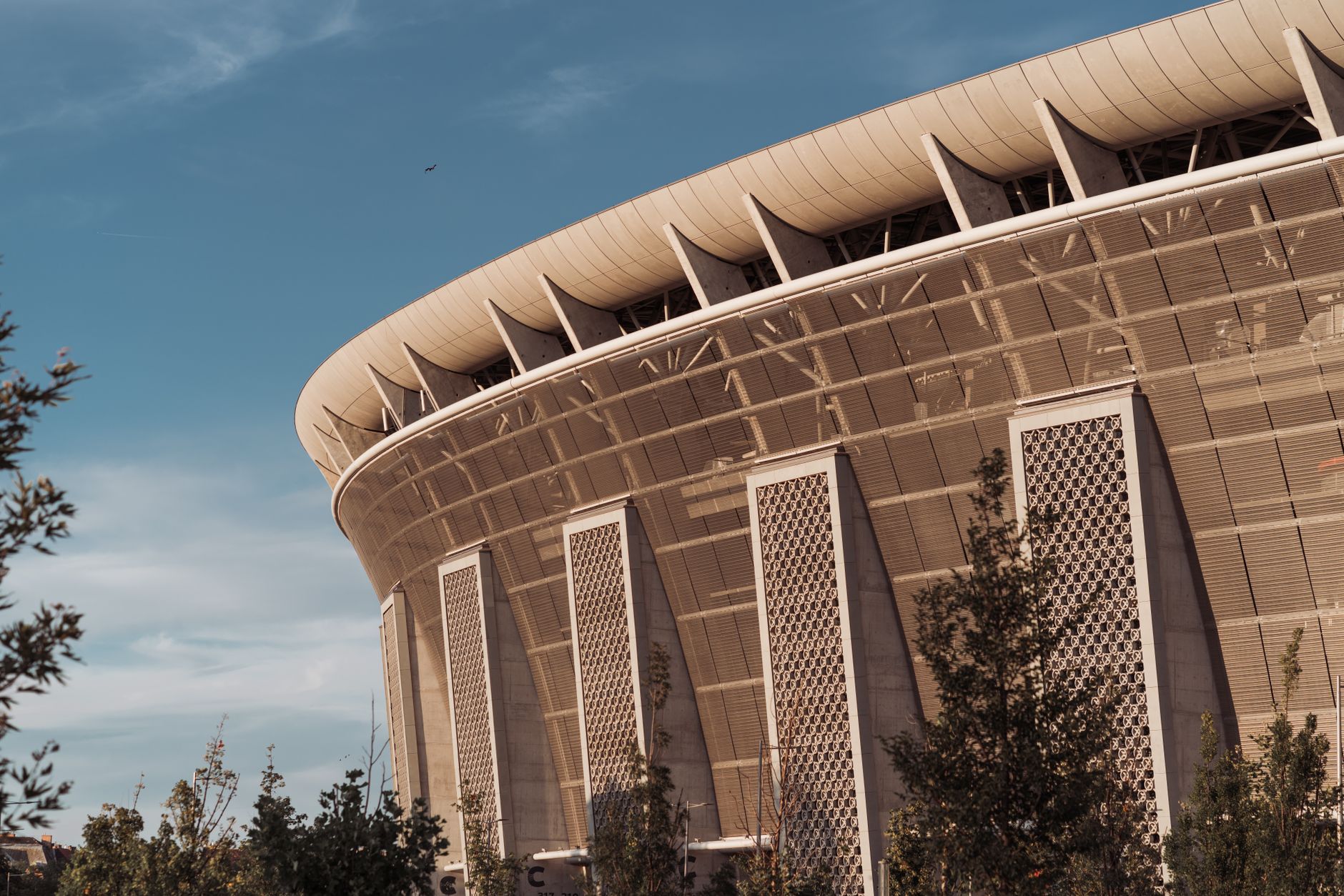
Photo by Tibor Szabo on Pexels
How Should Fans Read Atlanta’s Role?
Fans should read Atlanta as a high-energy football market with semifinal importance, deep local soccer culture, and a stadium environment built for spectacle. Mercedes-Benz Stadium and Atlanta United’s supporter base give the city credibility beyond ordinary host-city branding.
Atlanta’s official positioning emphasizes culture, Southern hospitality, and the city’s identity as the “soccer city of the South.” That phrase is marketing, but it also reflects observable evidence: Atlanta United helped normalize massive MLS attendances, and Mercedes-Benz Stadium has already hosted major football events with intense crowd participation. According to the Atlanta World Cup 2026 host site, the city frames the tournament as a convergence of sport, music, civic pride, and movement-building. For fans, that means Atlanta should be treated as more than a stop on the fixture list.
From a betting and analysis angle, Atlanta’s semifinal role is particularly important. By that stage, teams are often managing fatigue, suspension risk, media pressure, and tactical secrecy. A semifinal in a loud indoor-style environment can magnify mistakes, especially for teams unused to rapid transitions and crowd noise. My contrarian view is that Atlanta may be more influential in shaping the tournament’s champion than some larger media markets, because semifinal conditions often reveal which squads can stay emotionally controlled under maximum pressure. To compare venue effects across cities, use our [Internal Link: World Cup host city analysis].
Verdict
The 2026 football world cup is not simply bigger; it is structurally different. The move to 48 teams and 104 matches creates more stories, more volatility, and more opportunities for informed fans to gain context before the crowd catches up. Los Angeles brings eight matches, 39 days of celebrations, SoFi Stadium, the LA Memorial Coliseum, and a massive fan-zone footprint. Atlanta brings Mercedes-Benz Stadium, Southern soccer culture, and a semifinal that could define the tournament’s emotional peak. New York New Jersey then closes the event with the July 19 final at MetLife Stadium.
My verdict after reviewing the host-city materials, schedule implications, and betting-market angles is straightforward: the best 2026 football world cup experience will belong to fans who plan like operators and analyze like practitioners. Do not only ask which team is better; ask where the match is played, how much rest each side has, what the crowd composition may look like, and whether the market has already overreacted. Pitch Notes will cover match predictions, team tactics, player stats, and responsible tournament betting insights every day of the competition.
Start building your 2026 World Cup edge now.
Frequently Asked Questions
Q: What is the 2026 football world cup?
A: The 2026 football world cup is the next FIFA men’s World Cup, hosted by the United States, Canada, and Mexico. It will feature 48 teams and 104 matches from June 11 to July 19, 2026. The tournament includes major host cities such as Los Angeles, Atlanta, Dallas, Toronto, Vancouver, and Mexico City, with the final scheduled for MetLife Stadium in New Jersey.
Q: How do I plan for the 2026 football world cup?
A: Start by choosing your host city, matching it to your fixture priorities, and booking transport and accommodation early. Los Angeles fans should account for SoFi Stadium access, fan zones, and 39 days of celebrations, while Atlanta visitors should plan around Mercedes-Benz Stadium and downtown event traffic. Build extra time into every match day because security, rideshare demand, and crowds will be heavier than normal.
Q: What is the difference between Los Angeles and Atlanta as World Cup host cities?
A: Los Angeles is a broader festival-style hub, while Atlanta is a concentrated high-energy soccer market with semifinal significance. Los Angeles offers eight matches, SoFi Stadium, the LA Memorial Coliseum fan festival, and Official Fan Zones across the county. Atlanta offers Mercedes-Benz Stadium, strong local soccer culture, and a semifinal-stage atmosphere that may become one of the tournament’s defining settings.
Q: Is the 2026 football world cup worth following for betting analysis?
A: Yes, the 2026 football world cup is worth following for betting analysis because the expanded format creates more matchup variety and market inefficiencies. However, bettors should focus on legal markets, responsible staking, and evidence-based analysis rather than hype. Pitch Notes tracks team tactics, player stats, injury news, and market movement to help readers make more informed decisions.
Q: Why do World Cup betting predictions fail?
A: World Cup betting predictions often fail because they overvalue reputation and undervalue context. Short rest, travel distance, rotation, suspensions, venue atmosphere, and public-market bias can all change the real probability of a result. A strong prediction should combine tactical evidence, squad news, price movement, and host-city conditions before reaching a conclusion.
Q: How much does it cost to attend the 2026 football world cup?
A: The total cost depends on tickets, host city, hotel timing, flights, and how many matches you attend. Major U.S. cities such as Los Angeles, Atlanta, and New York New Jersey are likely to have high hotel and transport demand during peak match windows. Fans should budget beyond the ticket price by including local transport, food, fan events, insurance, and flexible travel days.
Thank you for reading this dispatch.
Pitch Notes · The Digital Broadsheet · Issue No. 001